

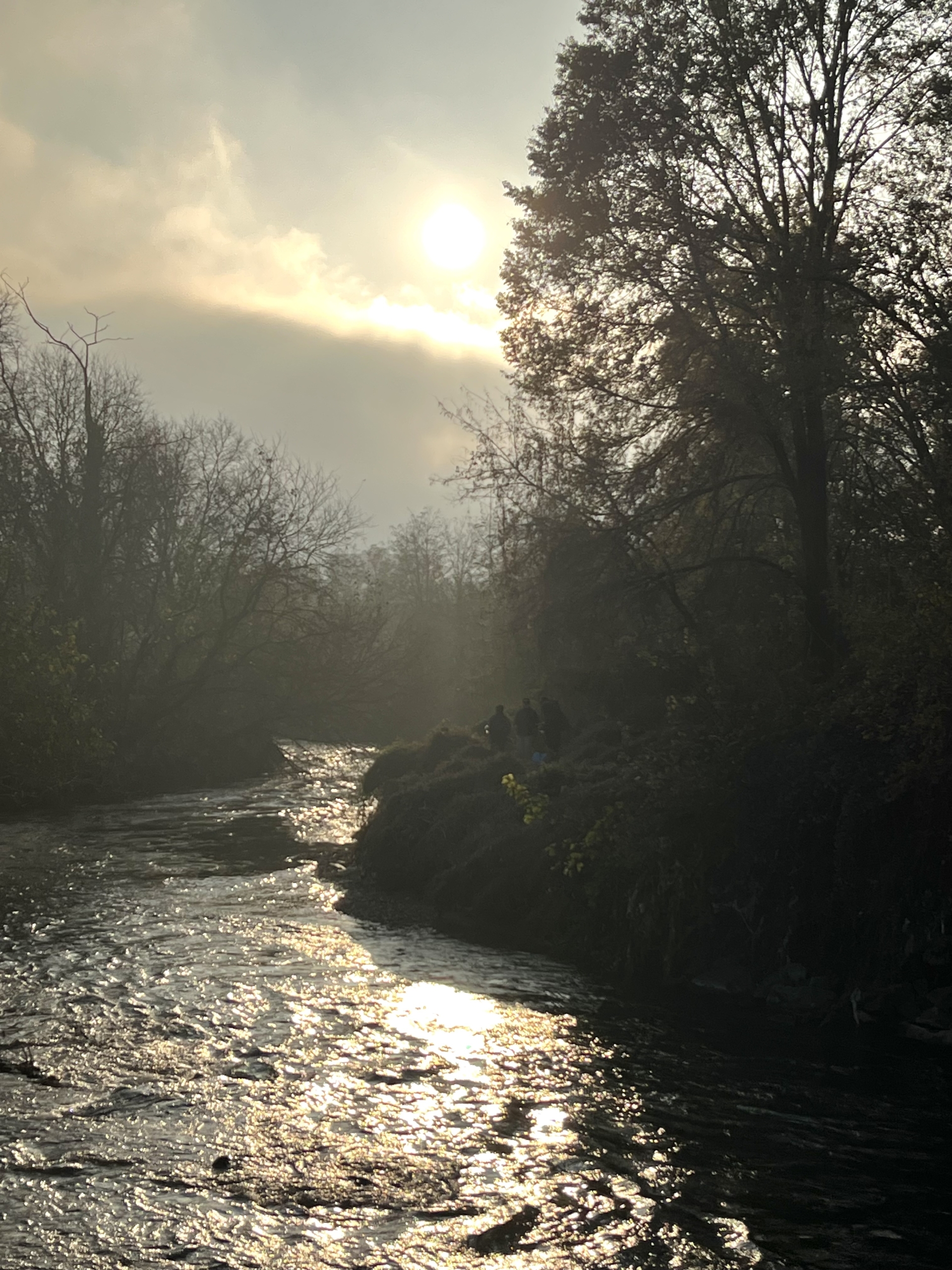
Milan (Italy) has a peculiar relationship with its waters; for centuries, water has shaped Milan’s identity, economy, and ways of living. Over time, however, the connection between the city, and its waterways has weakened, gradually obscured by rapid urban expansion and industrial transformation.
In the city center most of the watercourses (including three rivers and Leonardo’s network of channels) have been covered to make room for roads and urban development. Lambro River, among the others (Seveso and Olona) is the main one, and also the only one that flows uncovered in the city.
Lambro river is the only accessible water basin in the eastern outskirts of the city and suburban areas. The once sustainable Milanese water landscape has not only been eroded by urban sprawl, but also strongly modified by techno-centric perspectives of hydromechanics, water management, and engineering, as well as by the adoption of agricultural and irrigation practices that increased water pollution, impacted fertility and led to a substantial biodiversity loss.
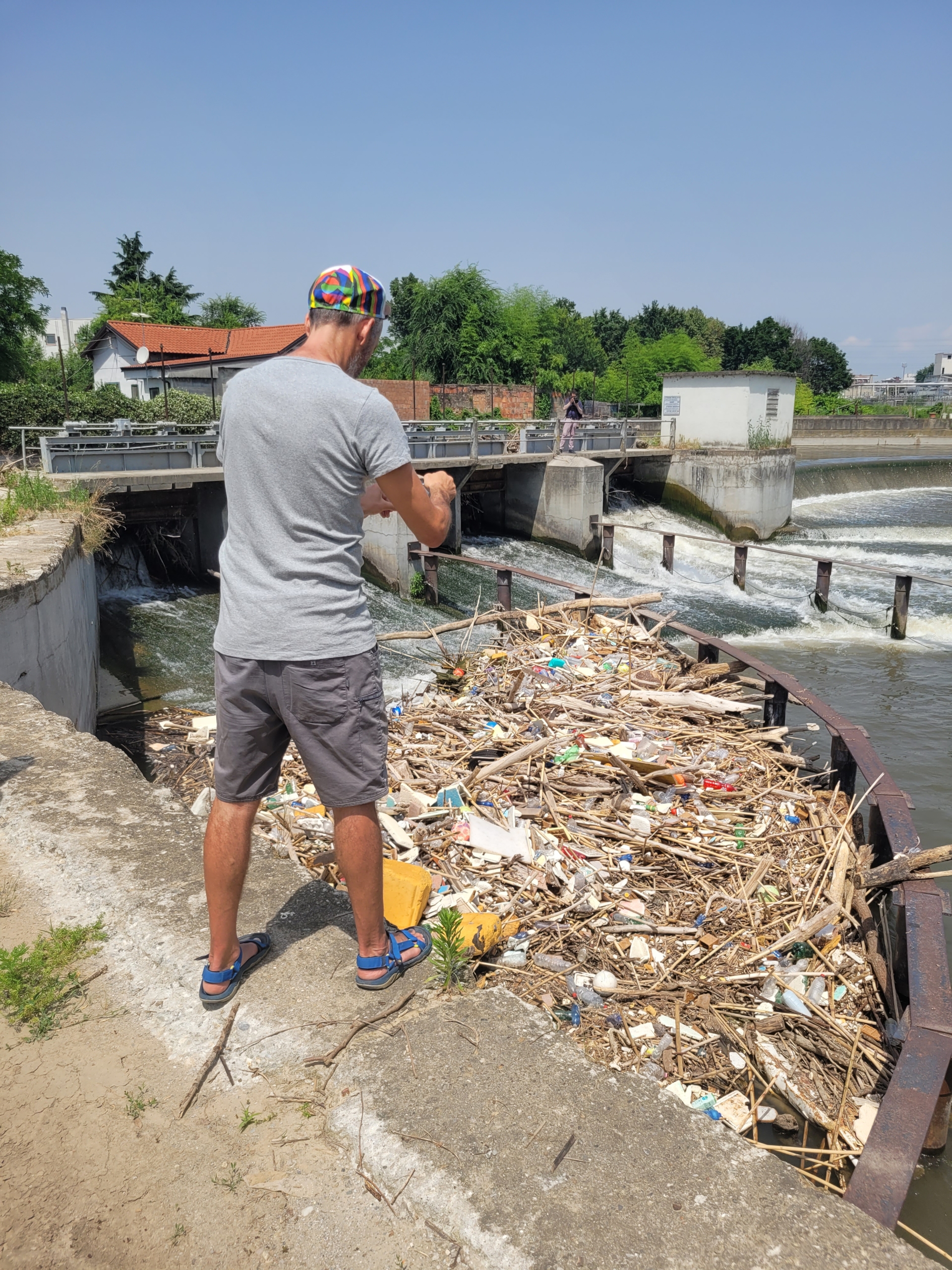
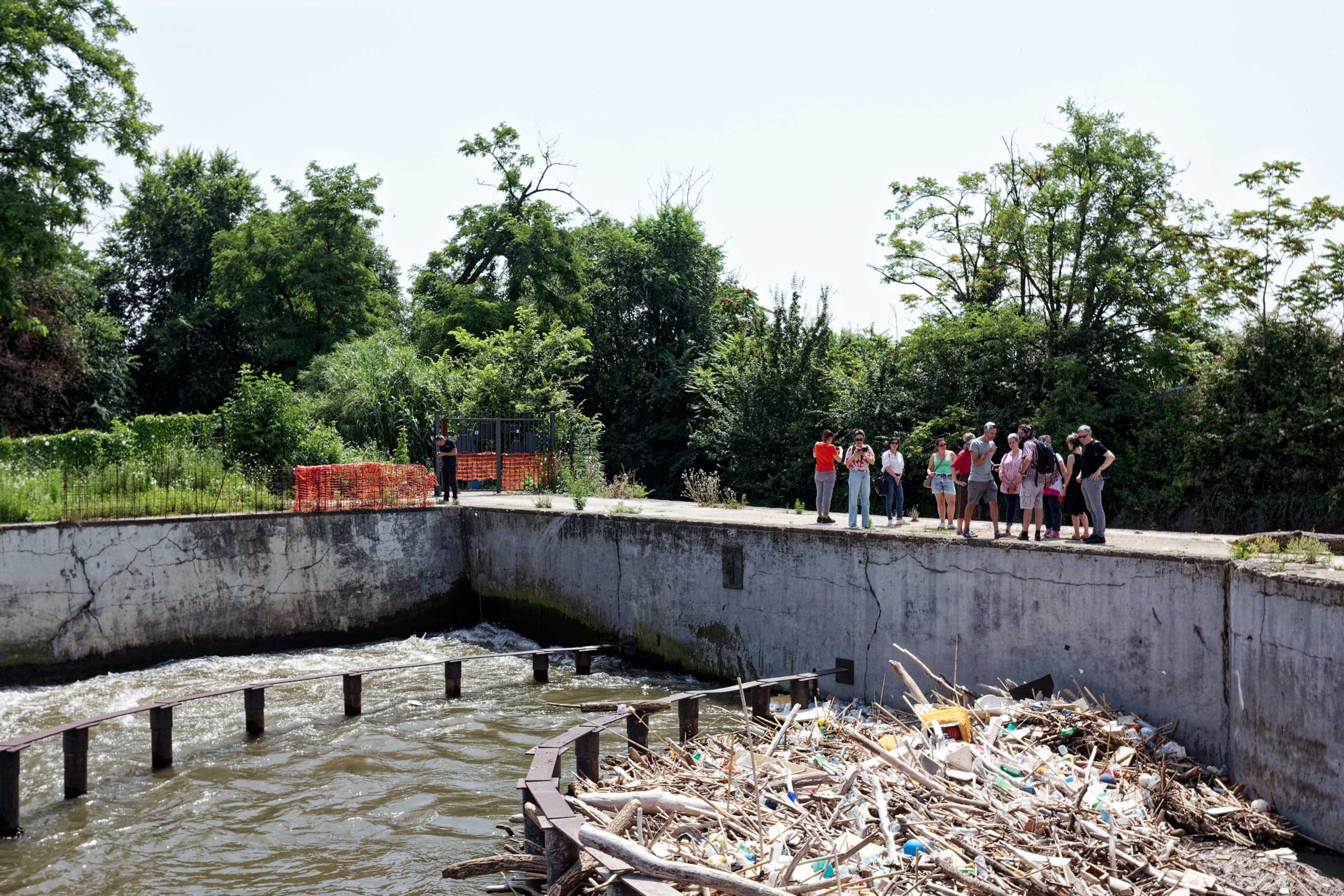
The use of the water resource has changed drastically in line with the industrial and economic development that has characterized the region since the 1960s, leading the river to be fractured and transformed from a collective resource to an open-air dump, resulting in impacts on the environment and the surrounding landscape. Lambro River is now perceived only for its pollution, and seems to be forgotten and avoided by citizens and local authorities.
The challenge set for Milan seeks to rekindle this bond by reimagining the city’s water heritage from the perspective of this river—not as a memory of the past, but as a vital resource for its future.
What if we could drink the water of the Lambro?
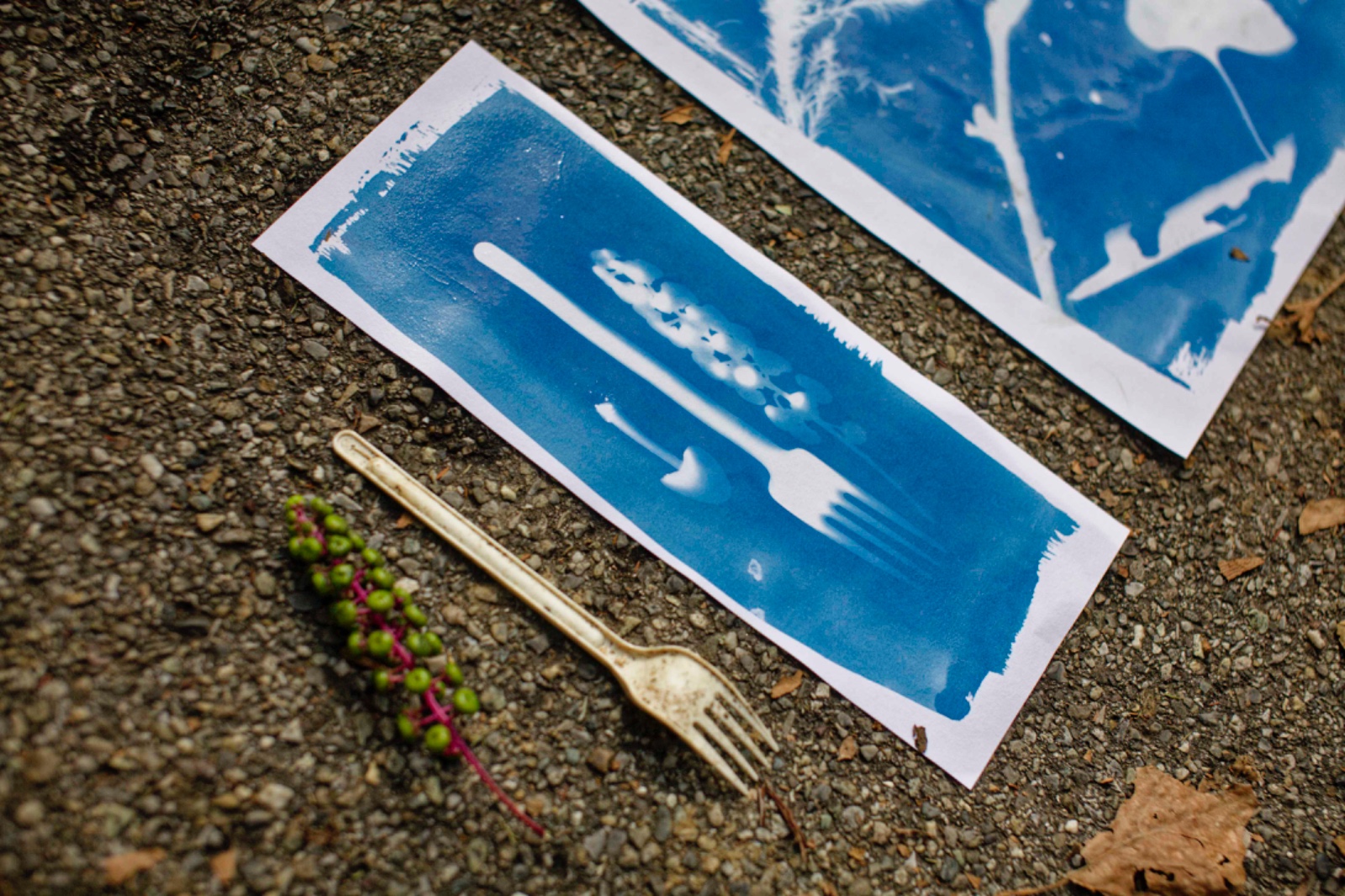
Starting from this provocative question, the ACQUA LAMBRO project by the artistic duo gethan&myles used materials recovered from the riverbanks of Lambro river to build a machine-sculpture capable of purifying the river’s water—both physically and symbolically—and helping people to see the Lambro in a new light.
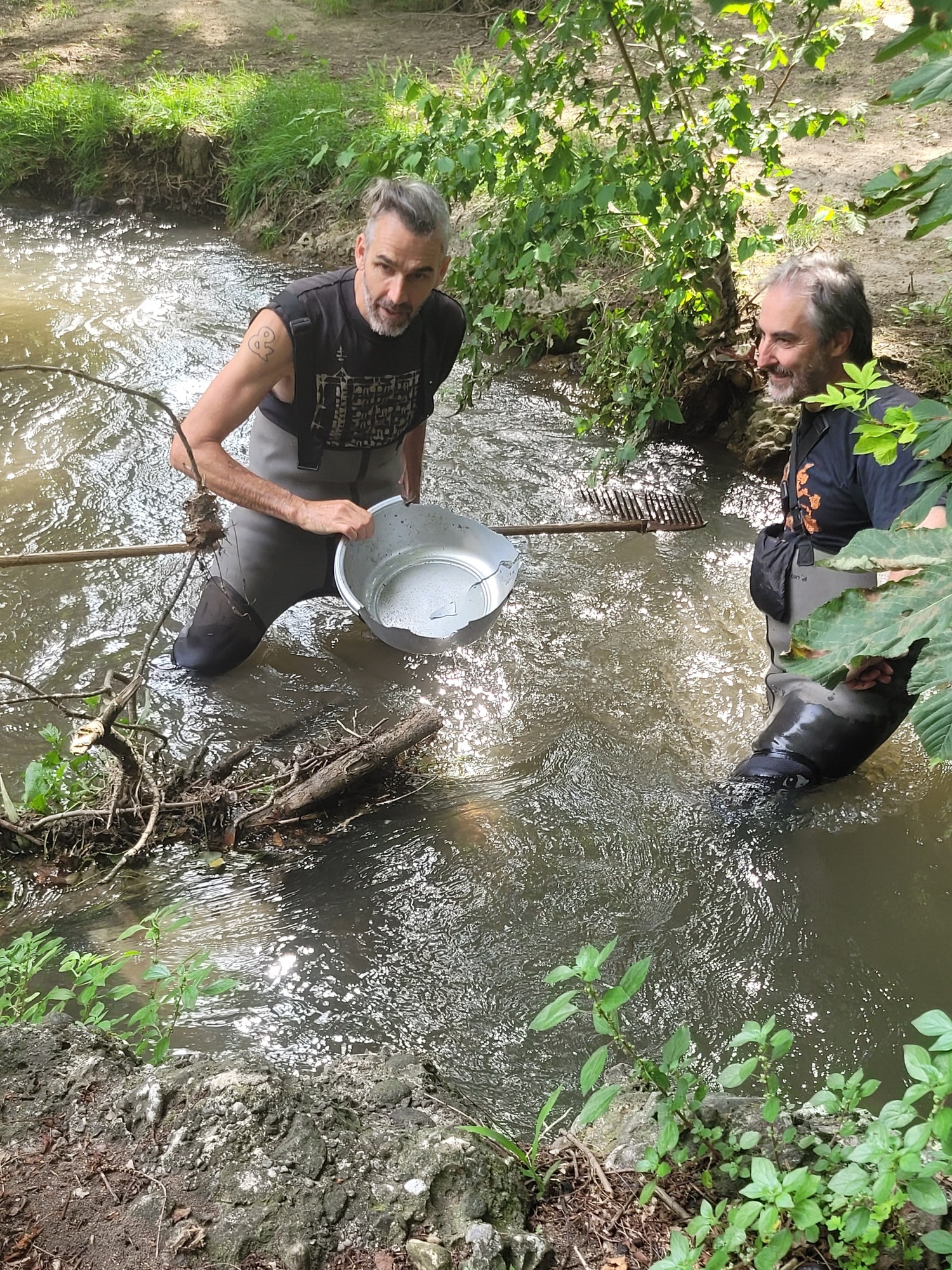
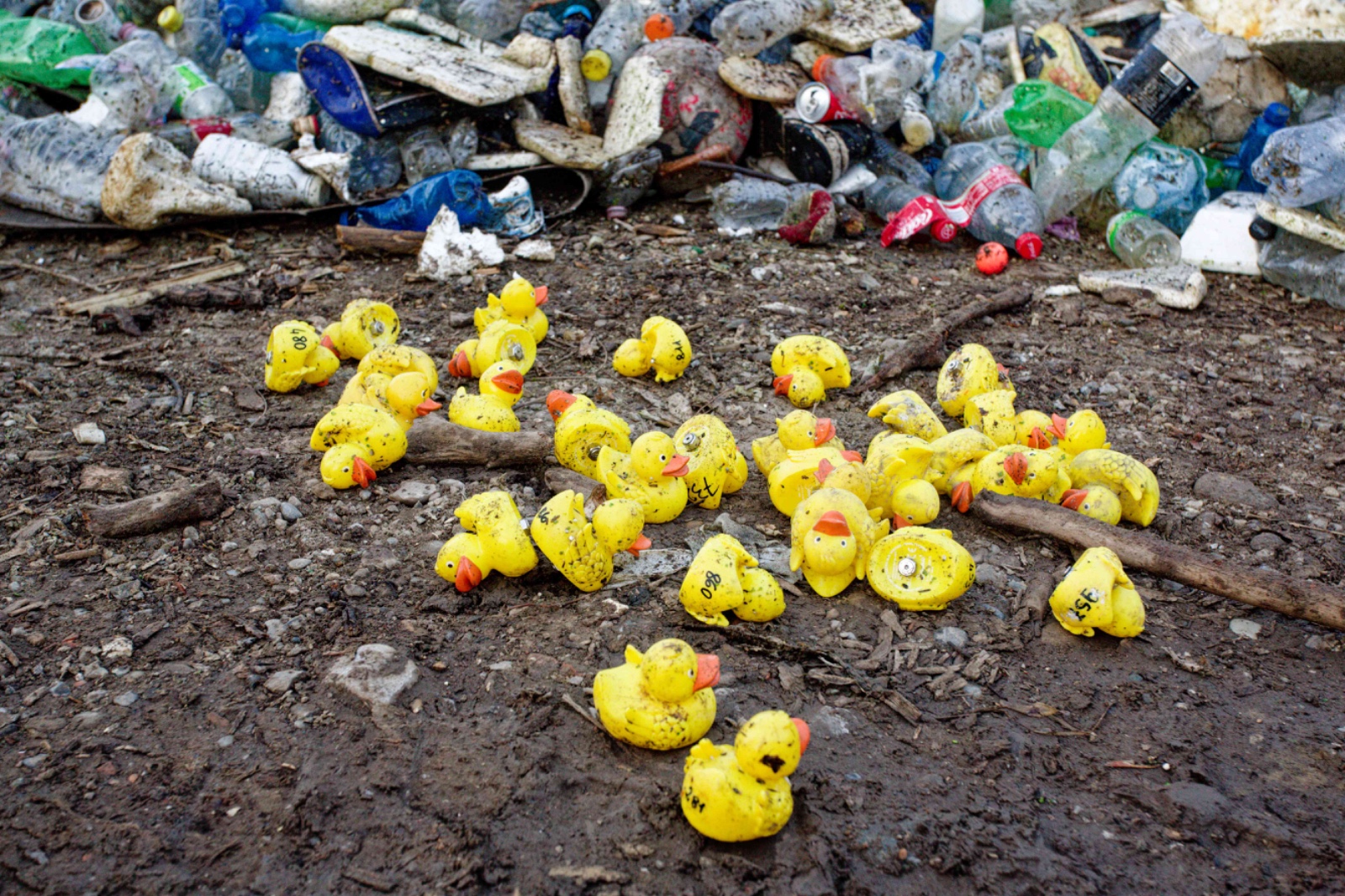
The machine-sculpture titled La macchina di gioia was constructed using objects collected by a wide range of participants, including students from Politecnico di Milano, workers involved in cleaning the siphon, the artists themselves, and members of the consortium.
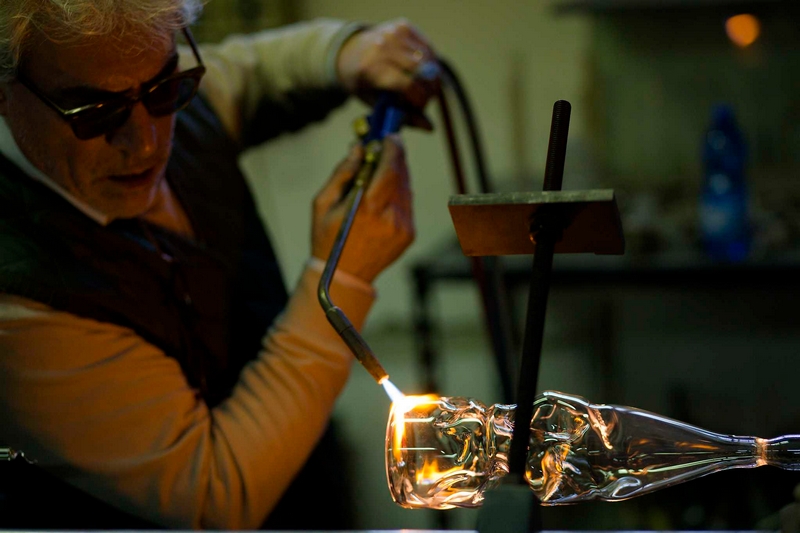
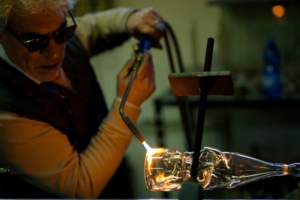
To complete the project, a bottle entitled Il mondo è un inquinante was created in collaboration with a local glass artisan in Milan to contain the purified water processed through the machine-sculpture in a simple filtration process developed using materials collected in and around the river —sand, pipes, a filter, and a kettle—reinforcing the narrative dimension of water purification and ecological awareness through an intentionally low-tech and transparent process.
The conceptual gesture centred on hand-blowing new glass and shaping it into the form of a crumpled plastic bottle—an explicit reflection on recycling, waste, and environmental responsibility. Each bottle is a unique artefact, produced through traditional craft techniques.
The project aims to rebuild the relationship between the river and the community through a collaborative process that leads to the creation of this somewhat magical device.
From this poetic framework introduced by gethan&myles in the ACQUA LAMBRO project, two community-based and site-specific initiatives have emerged: IMMACCHINARIUM, a participatory creative process, and LAMBROGINO, an award celebrating civic environmental actions carried out along the Lambro River.
LAMBROGINO
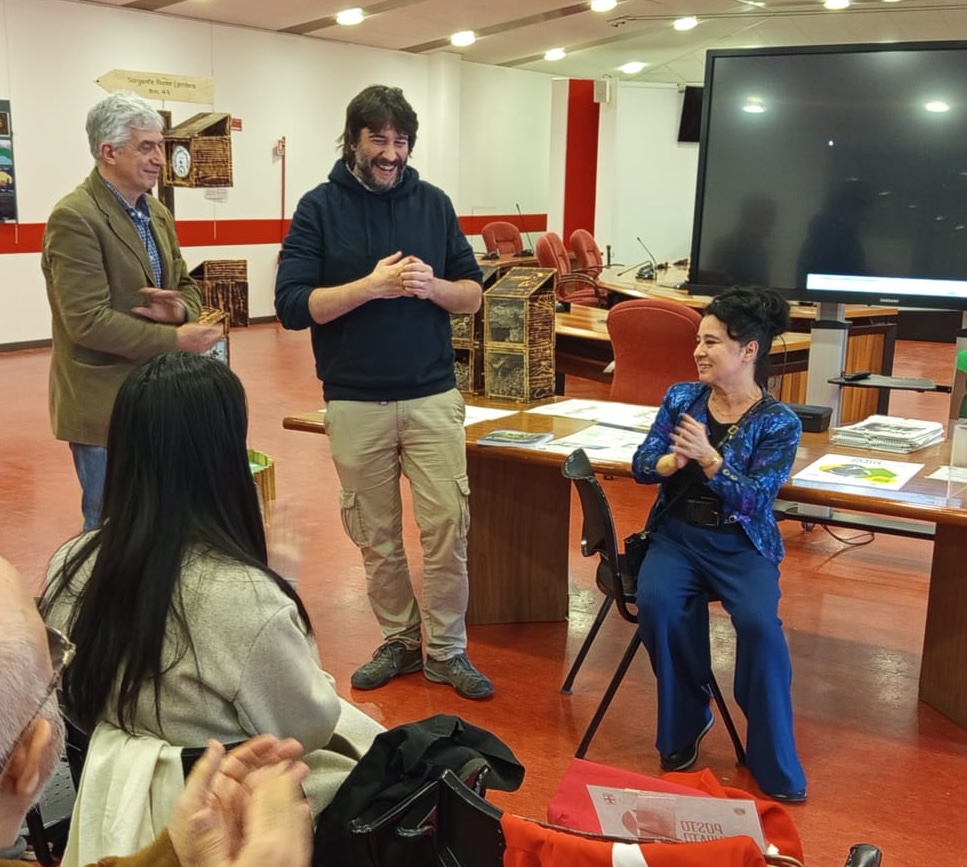
The Lambrogino Award takes its name from both the Ambrogino d’Oro, the civic honour granted by the Municipality of Milan to its most distinguished citizens, and the Lambro River. While the Ambrogino d’Oro is awarded annually to individuals and organisations that have made an outstanding contribution to the city—symbolised by a gold medal—the PALIMPSEST Lambrogino reinterprets this tradition through an environmental lens. Instead of a medal, the award consists of a bottle containing purified water from the Lambro River, recognising and celebrating actions of environmental good practice carried out for the benefit of the river and its ecosystem.
The Lambrogino Award can be renewed annually through an open call inviting artists to redesign the bottle containing purified water from the Lambro River. These bottles function as the physical trophies presented to the award recipients. The open call is designed to be managed by the municipalities participating in the River Contracts (Contratti di Fiume), which would assume responsibility for its launch, dissemination, evaluation process, and the selection of the winning proposal. Entrusting this process to local public authorities would ensure institutional continuity and alignment with existing river governance frameworks.
Inviting artists each year to redesign a component of a civic award—such as the Lambrogino trophy—would function as a mechanism for embedding artistic practice within a broad spectrum of civic recognitions, including social, educational, and environmental initiatives. In doing so, the award becomes not only a form of acknowledgement but also a cultural device that connects ecological stewardship, public policy, and artistic interpretation.
This approach embeds artistic research and design within actions of public interest, thereby expanding their symbolic value and strengthening their cultural and civic impact.
IMMACCHINARIUM
IMMACCHINARIUM represents an experimental, local-scale replication of the PALIMPSEST approach and mechanisms. The project addresses a specific environmental and social challenge: the fractured relationship between communities and the Lambro River as it flows through the cities of Monza and Milan.
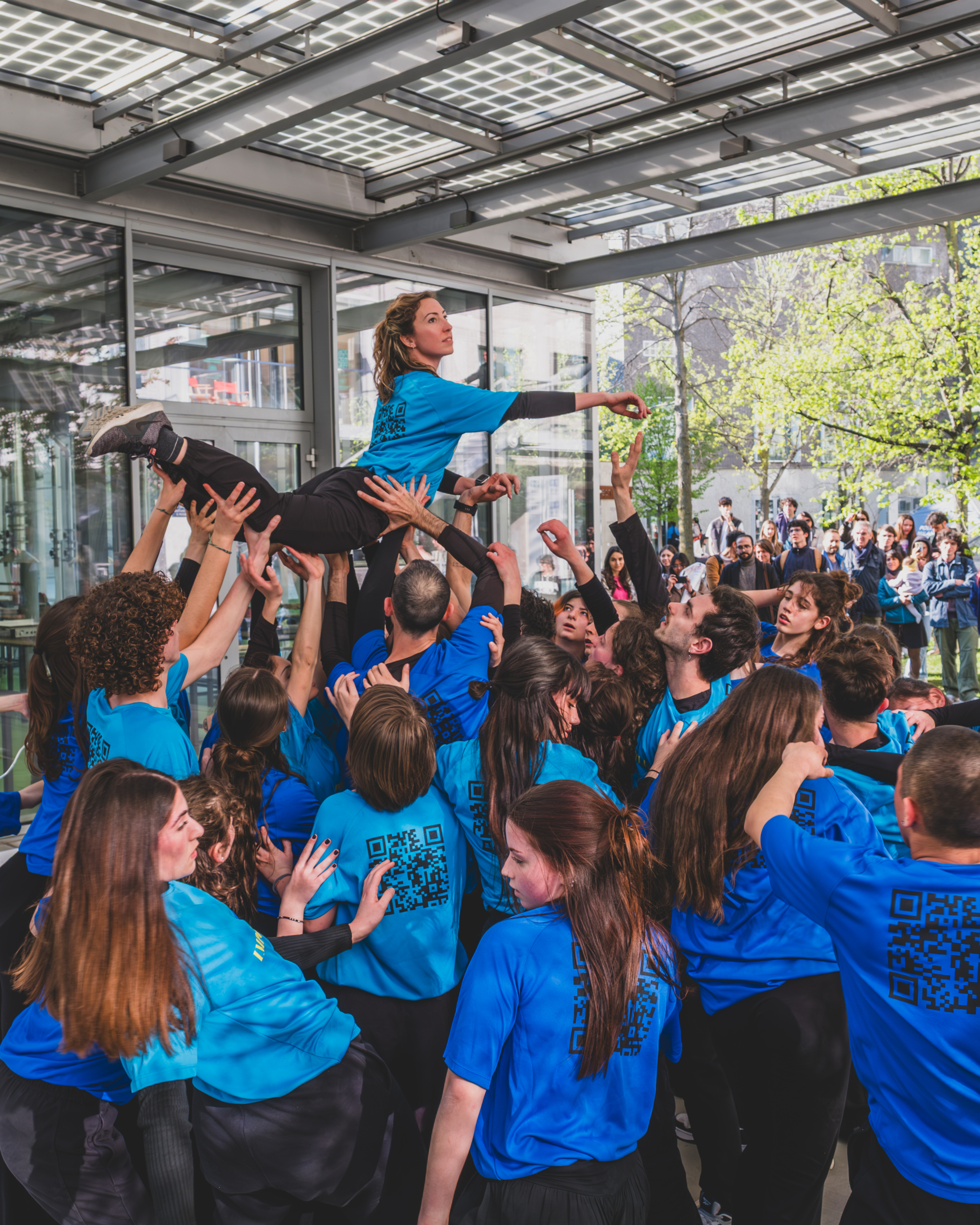
Within this framework, IMMACCHINARIUM facilitated connections between local associations and creative actors—artists and art high schools—through actions rooted either in existing sustainable practices or in newly imagined trajectories that envision alternative horizons of sustainability. The process was curator-led and aimed at identifying and enabling meaningful matches between “challenge keepers” (local associations carrying specific territorial concerns) and creative agents.
IMMACCHINARIUM centres on the ideation of “impossible machines” designed to reactivate forms of mutual care across three paired dimensions:
- food/agriculture
- memory/identity
- nature/care
Each dimension was assigned to a dedicated working group and, through a collaborative process, each group developed its own interpretative “machine,” translating the identified challenge through the lens of the key dimensions into a speculative, symbolic, or operational device.
La foglia sul Lambro
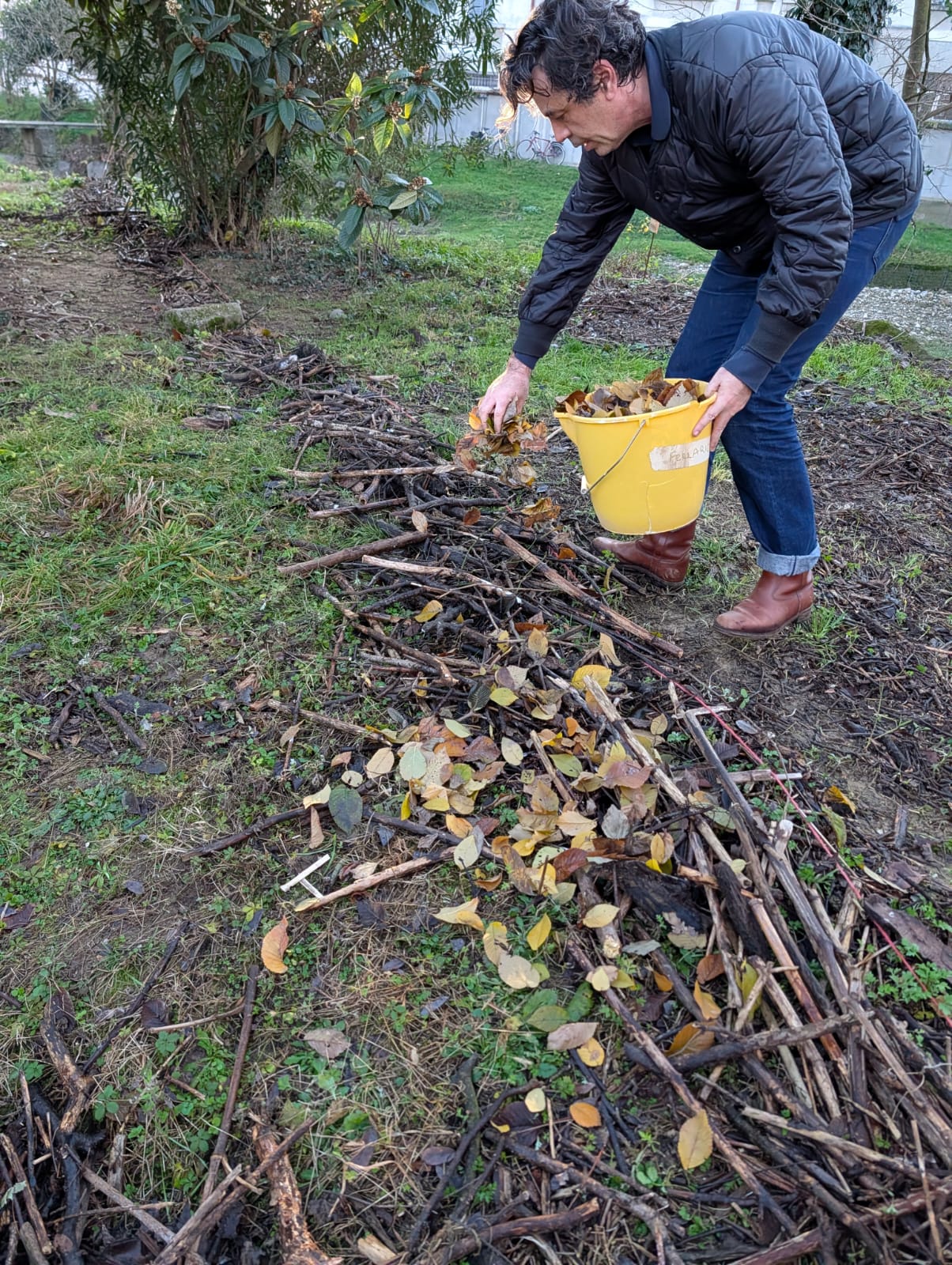
The Leaf over the Lambro is a collective production performed in the Monza Oasis —a pocket of urban nature stewarded by Legambiente Monza. The Monza Oasis has a small islet formed over the past 200 years at the confluence of the Lambro River and its branch, the Lambretto, after they reunite north of the city of Monza. Created through natural sediment deposition, the island hosts spontaneously grown vegetation and provides habitat for migratory birds, herons, mallards, and kingfishers. Normally closed to the public, the site is opened on special occasions by Legambiente Monza for guided visits and educational activities.
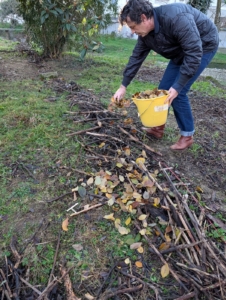
The initiative took the form of a participatory workshop led by artists Maurice Pefura and Nicolas Dahan, who embraced the challenge of imagining an “impossible machine” for caring for nature in an area – the island – at risk of inaccessibility due to ongoing hydraulic works designed to give the river more space to flow.
The activity engaged the local community in the creation of a large, symbolic leaf on a small island in the Lambro River. During the workshop, participants worked alongside the artists to trace the contours, central rib, and veins of a large leaf using natural materials found on site—yellow leaves and small twigs carried by the river. The resulting artwork was fully integrated into the landscape, ephemeral by nature, and conceived as a poetic gesture of care and attention toward the river ecosystem.
E il Lambro silenzio sta a guardare…
And the silent Lambro stands by and watches… is a project that experiments with ways of creating a dialogue between storytelling and walking practices, integrating them with creative methodologies to build new points of contact between the river and the community. At its core lies the idea of the river as a witness and as a living subject, an integral part of the social and cultural fabric of the territory.
The work developed through the collection and writing of stories rooted in local memory, capable of narrating events, transformations, and phenomena connected to the area. In collaboration with the Civica Scuola Arte & Messaggio and its students, these narratives were translated into artistic and creative forms of representation, also experimenting with augmented reality to anchor these contents directly within the landscape itself.
In this way, storytelling and memory become a practice of territorial exploration, enabling people to establish a direct relationship not only with the river, but also with its history, identity, and cultural dimension.
La Marcita model
The water meadow model is a physical model of a marcita developed in collaboration with two local artists. Conceived as a dynamic and interactive device, it will allow users to manually redirect water flows and directly observe the functioning of the marcita system. The model replicates the essential components of a real marcita: continuous surface water circulation, canal locks, and fertile soil structure.
By reproducing a landscape-scale hydraulic system in reduced form, the model makes its mechanisms tangible and comprehensible. Scaling down the system enables users to engage directly with both its operational logic and its construction principles. The hydraulic dynamics become visible and legible, facilitating an understanding of how the marcita functions and how it shapes the surrounding landscape.
The model will serve as the core tool of a workshop programme hosted by the Cascina and addressed to schools as well as the broader public. Through a hands-on approach, participants will be able to explore the technical, ecological, and cultural dimensions of the marcita system.
In addition, the project foresees the integration of a playful component: a gamified mobile app simulating the creation and management of a marcita. This gamified app will be developed and tested in collaboration with schools, ensuring that it responds effectively to educational needs and can become a replicable learning format.
THE ECOSYSTEM
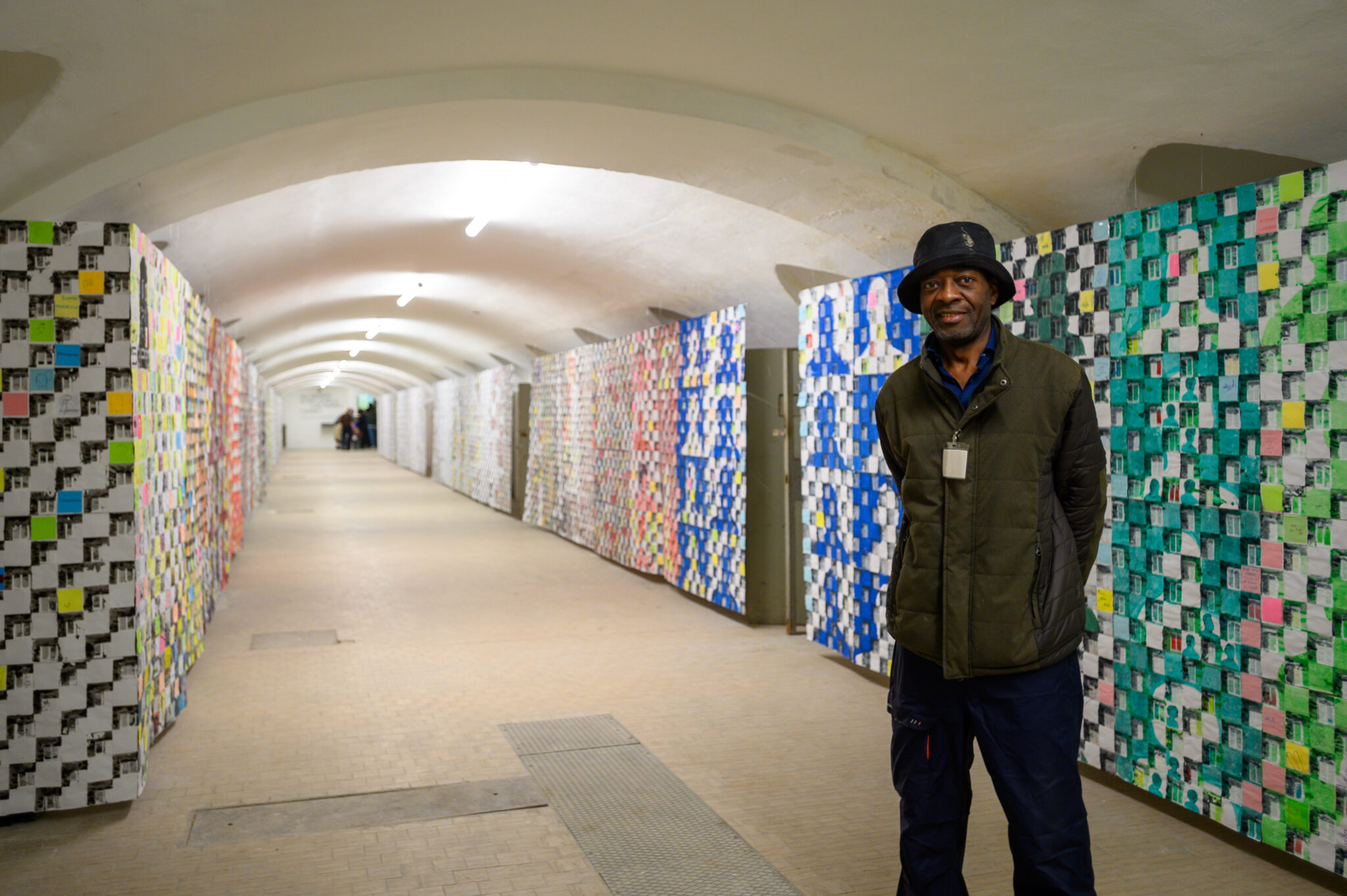
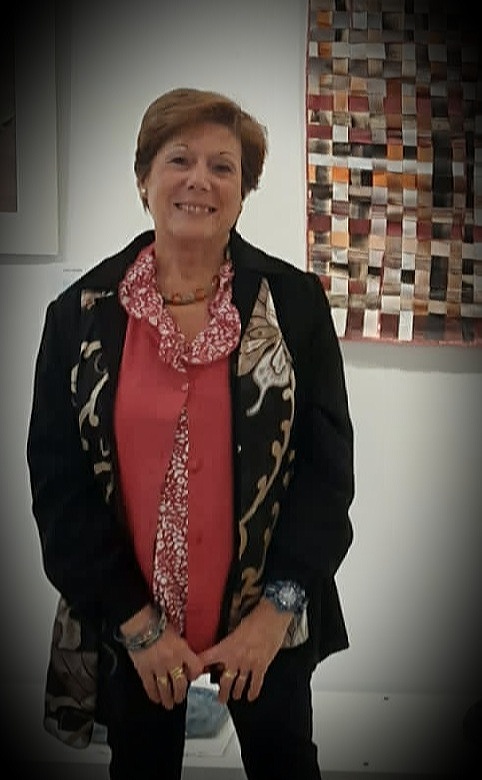
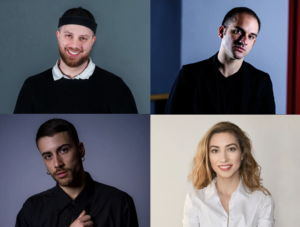
CREATIVE ACTORS


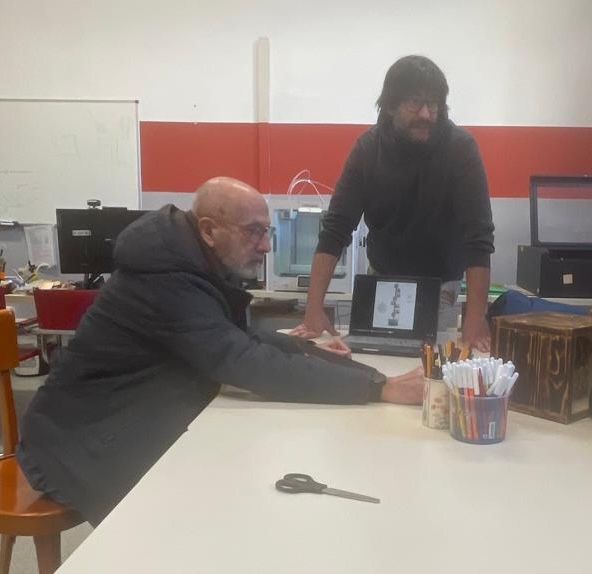
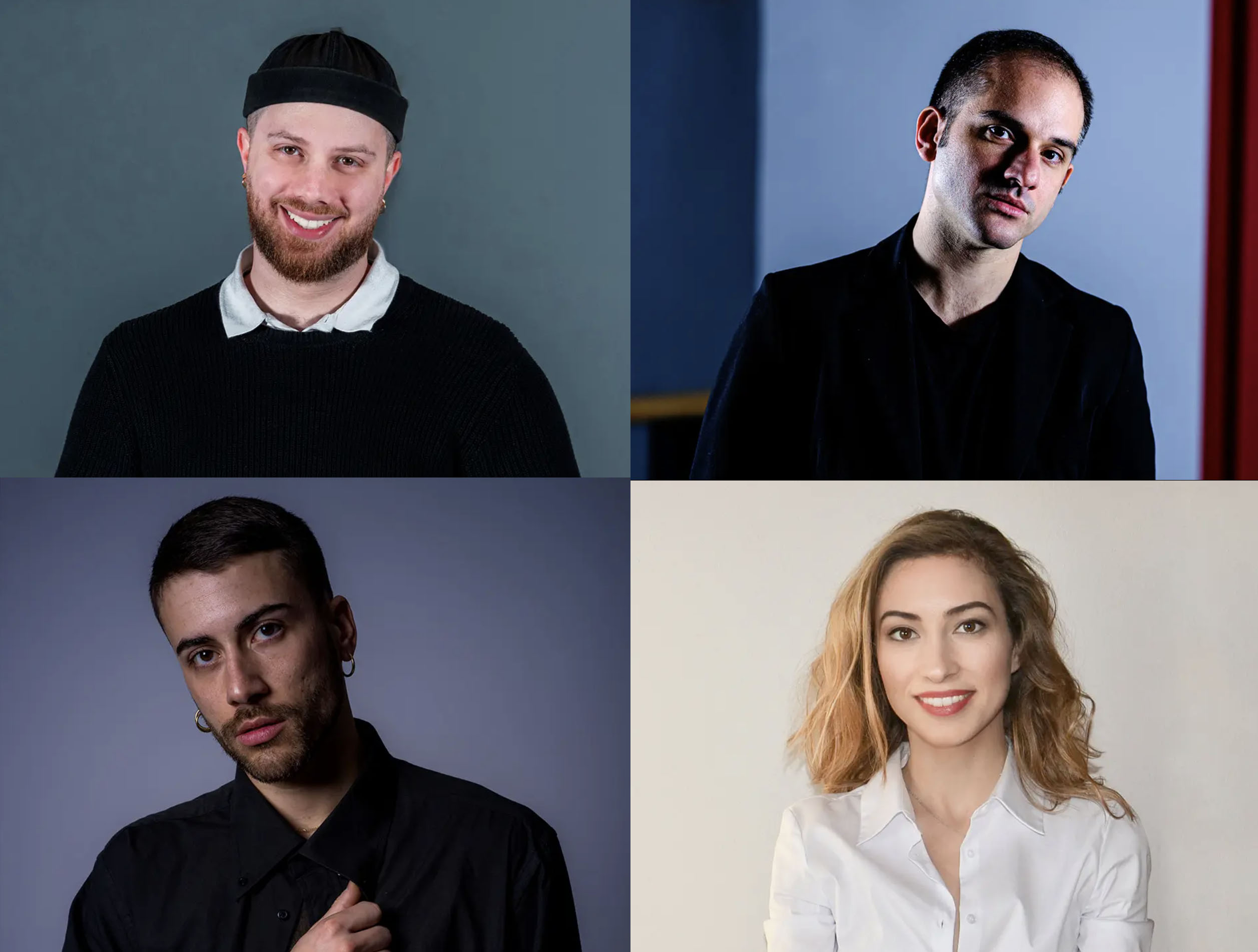


LOCAL ACTORS










Milan Pilot News
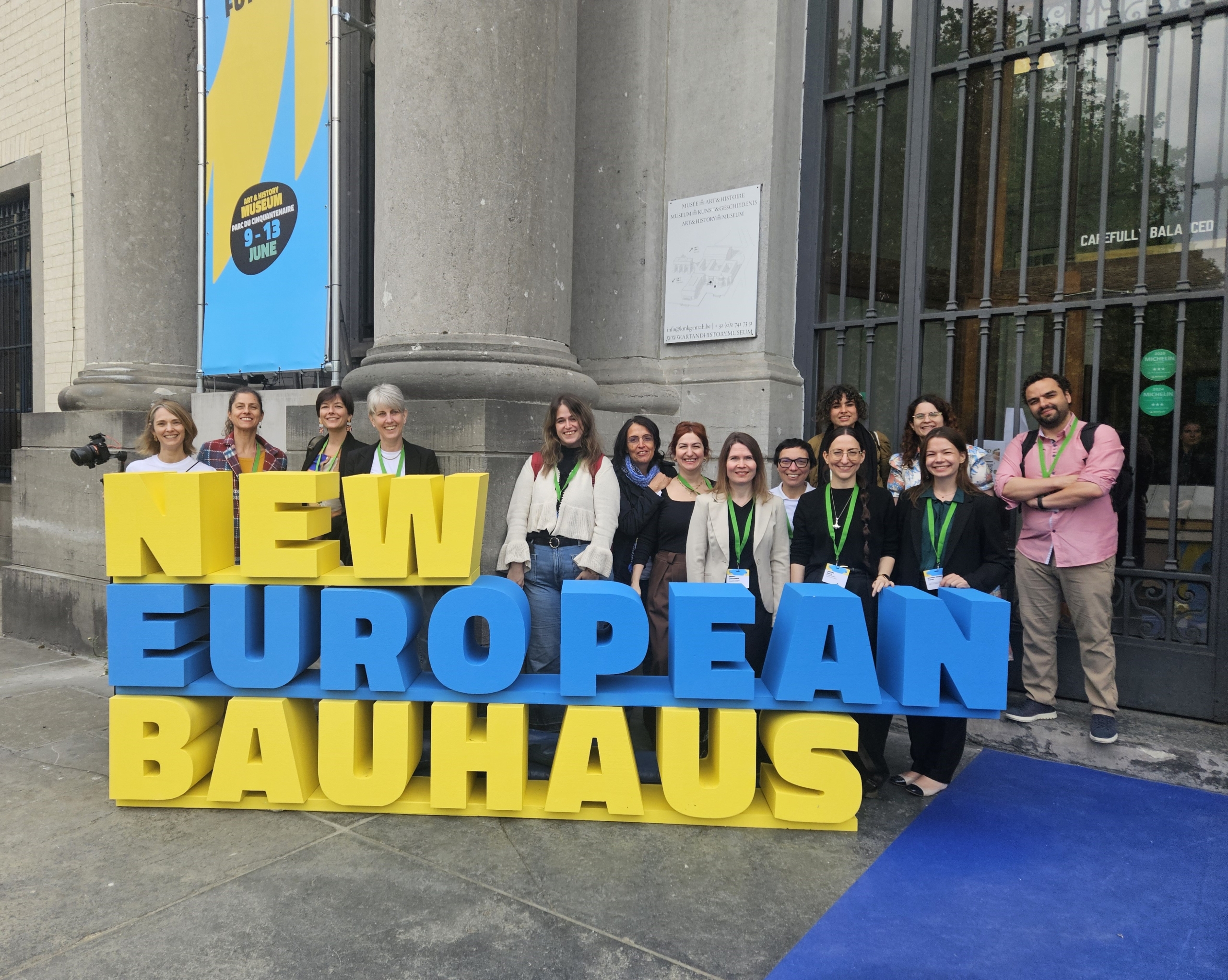
From Co-Creation to the European Stage: PALIMPSEST Showcases Its Legacy at the New European Bauhaus Festival 2026
What happens when three and a half years of co-creation, cultural innovation and climate resilience come together in one place? At the New European Bauhaus Festival 2026, PALIMPSEST had [...]

New Video: Discover PALIMPSEST’s Journey Through Culture, Creativity, Co-creation and Urban Transformation
PALIMPSEST was not only a research project, but a journey shaped by animated dialogues, intense experimentation, and a rich collective learning process. Through continuous moments of 'creative collisions' among [...]