
Three years of artistic research, cross-border collaboration, and creative experimentation came to a celebratory close at Politecnico di Milano, as the full PALIMPSEST consortium gathered for its closing event. The day marked the culmination of a shared journey exploring the role of artistic and creative practices in environmental and territorial transformation.
The closing event was an intense and engaging day, enriched by the presence of distinguished guests who generously shared their perspectives and experiences across three roundtables held throughout the day.
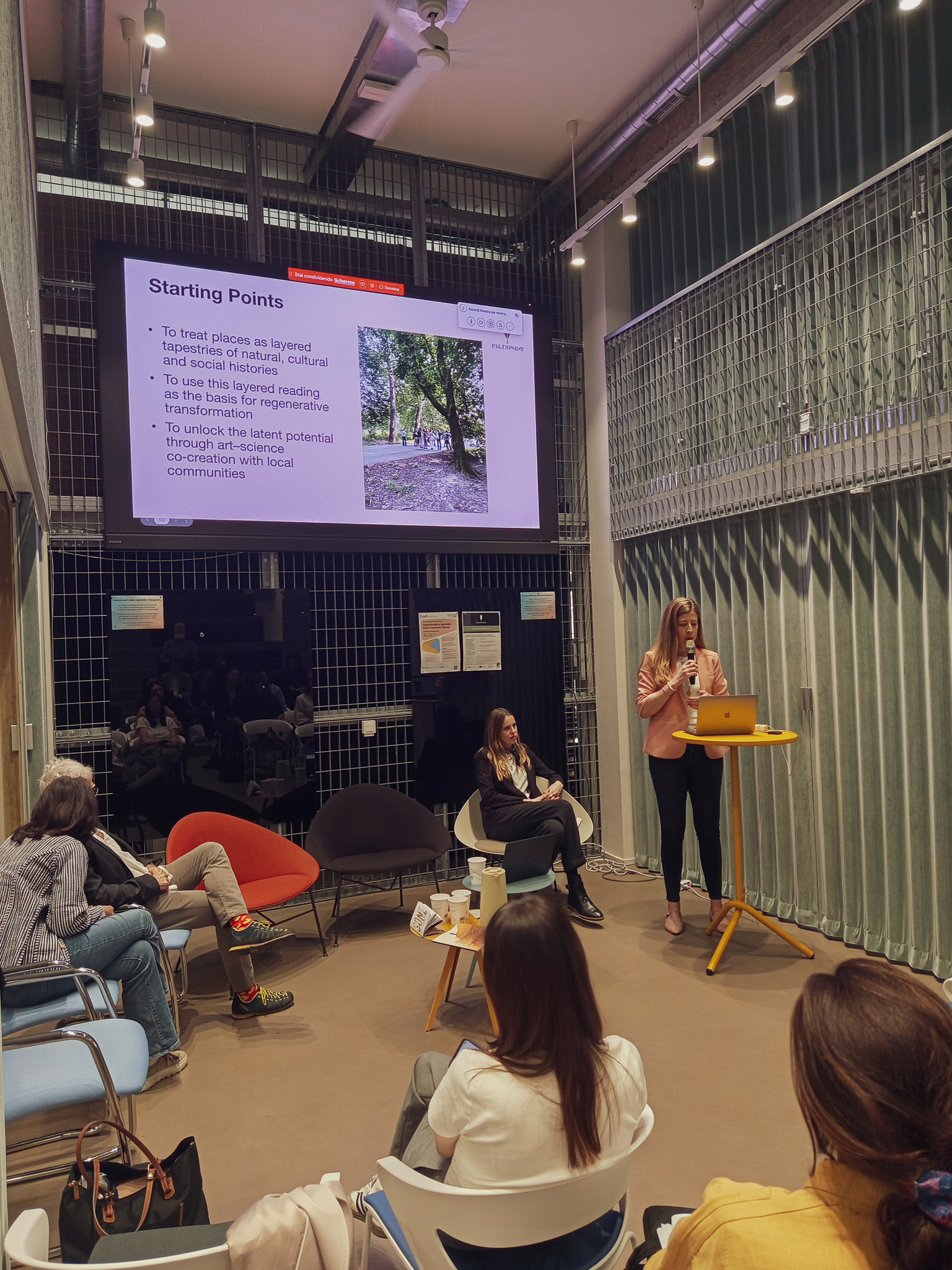
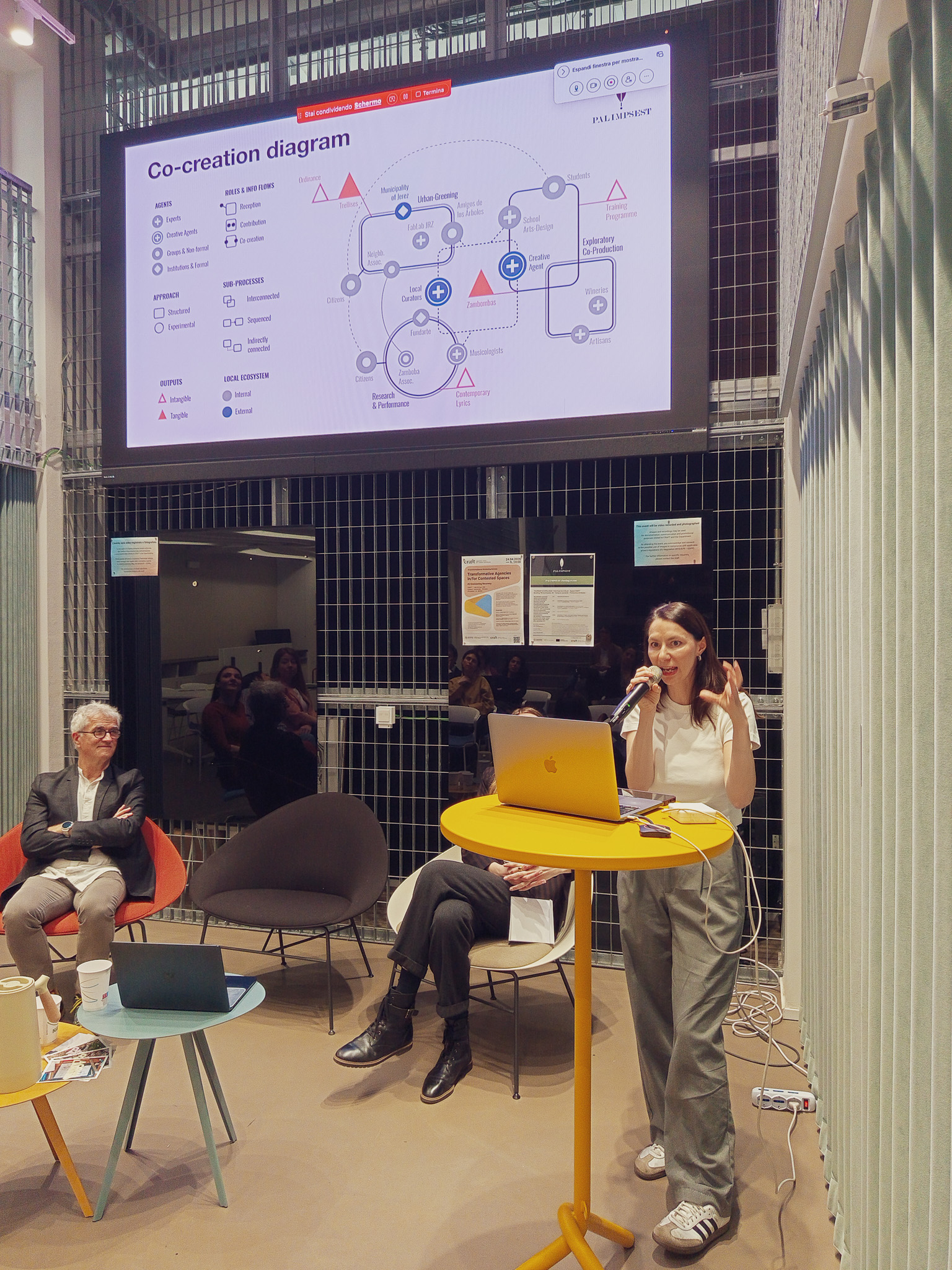
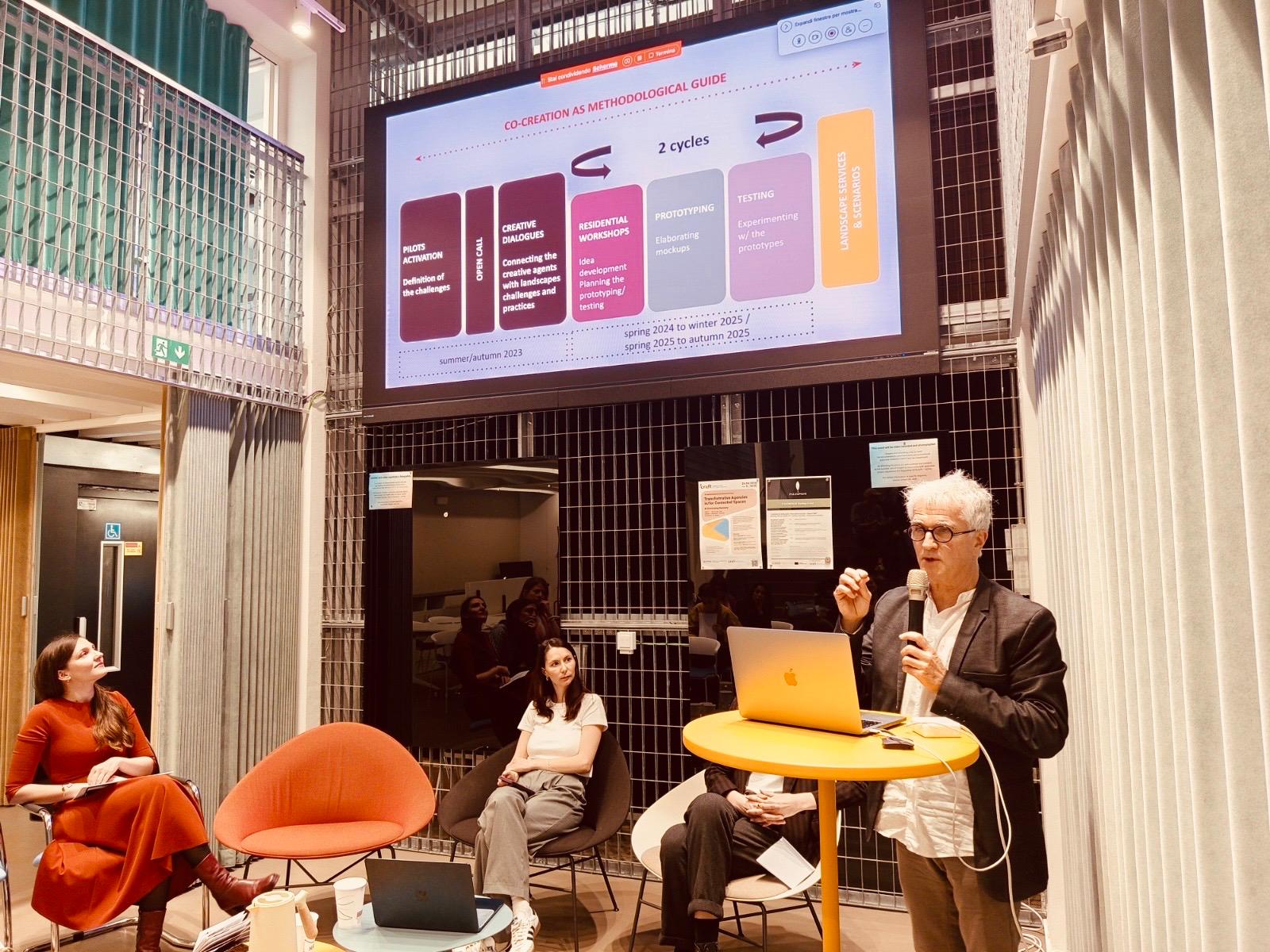
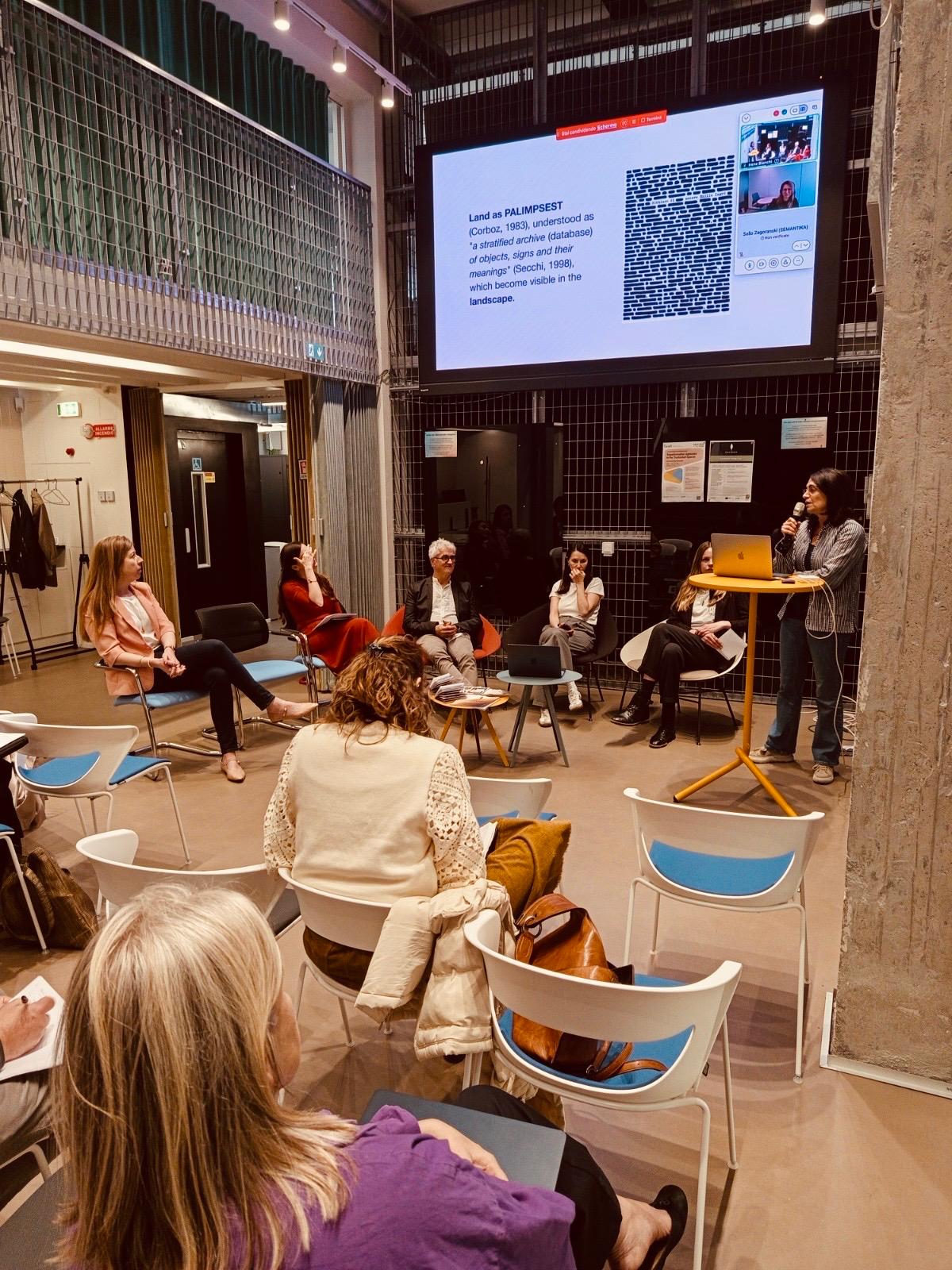
The morning session opened with institutional greetings from Carolina Pacchi, Head of DAStU at Politecnico di Milano, and Laura Kasnauskaite, PALIMPSEST Project Officer, followed by a moderated session by Annalena Amthor, presenting the project’s key perspectives, practices, and lessons learned. Speakers reflected on the research and innovation work carried out under the New European Bauhaus initiative: Grazia Concilio traced the overall project trajectory, Irene Bianchi explored the role of culture, creativity, and care in the concept of PALIMPSEST, and Sendy Ghirardi presented the architecture and tools developed to assess the co-creation process.
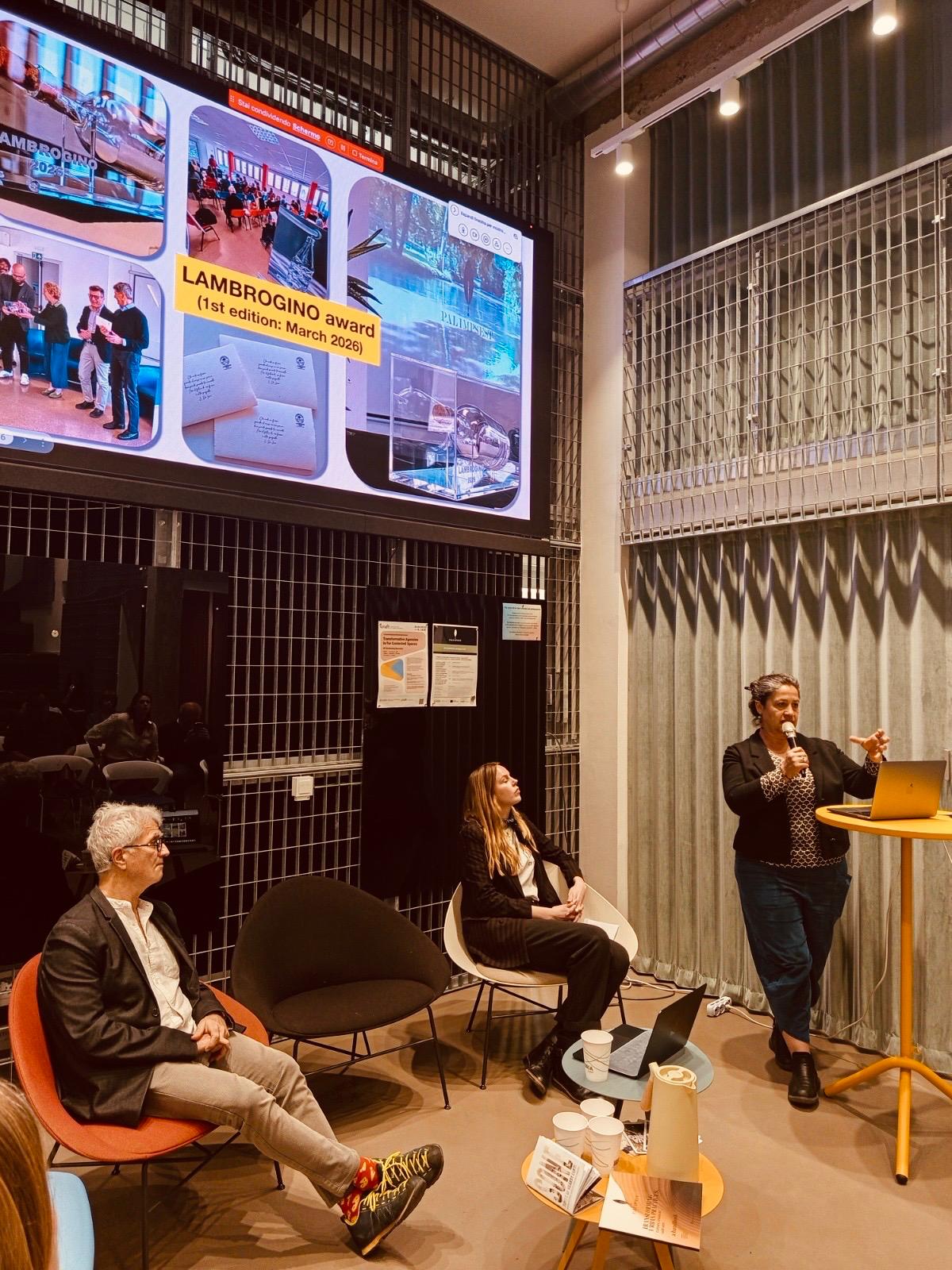
The spotlight then turned to the three cities at the heart of PALIMPSEST’s fieldwork, presented by Nicola Morelli: Milan (Italy), Łódź (Poland), and Jerez de la Frontera (Spain). Daniela Masotti, Michał Piernikowski, and Francisco Pazos each shared their local experiences and legacies, bringing the local contexts to life and grounding the project’s research. This round closed with the final words of a member of the PALIMPSEST Advisory Board, Sanna Lehtinen. Prof. Lehtinen gave an overview of the main principles that guided the PALIMPESET process and legacy.
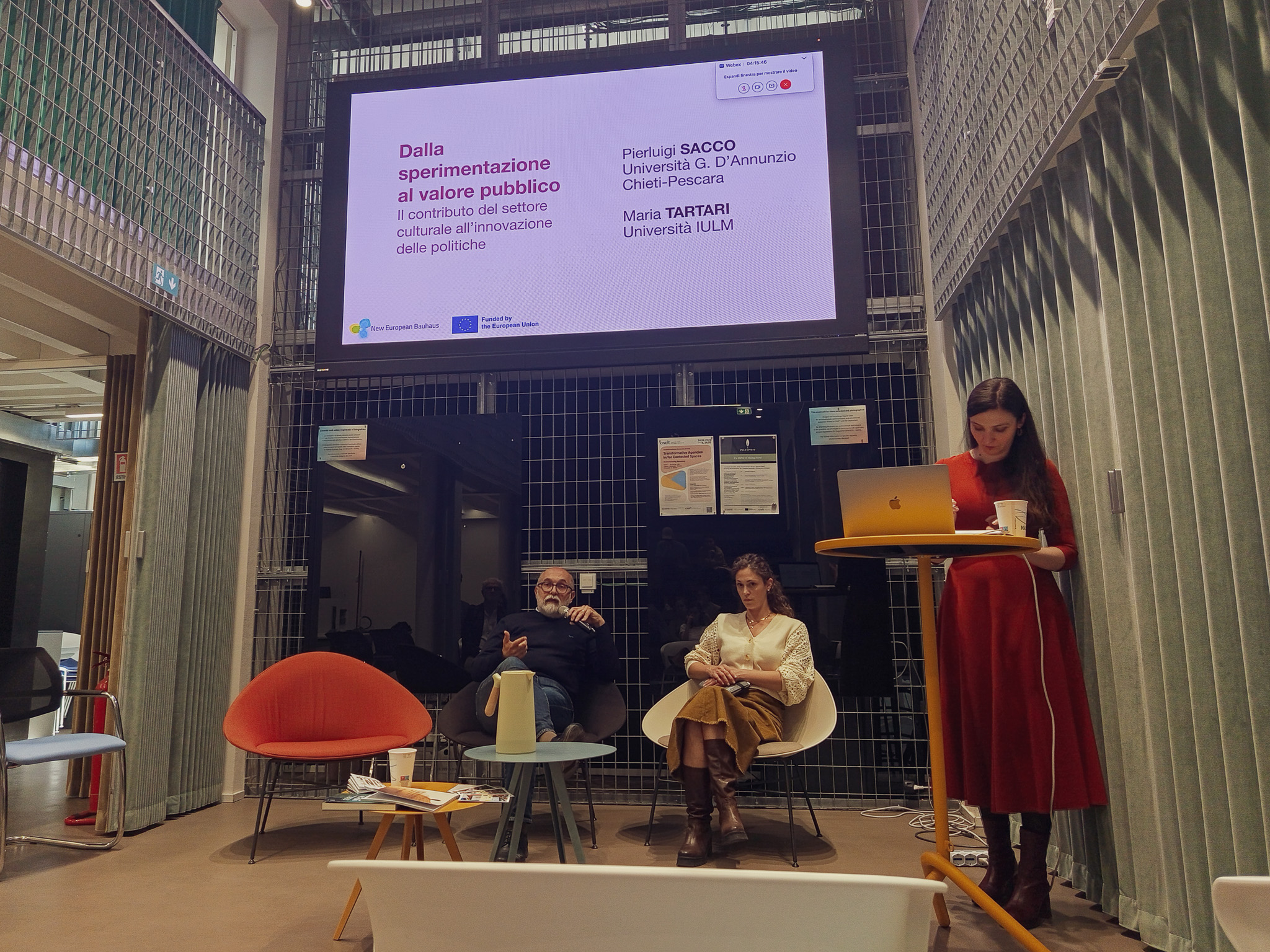
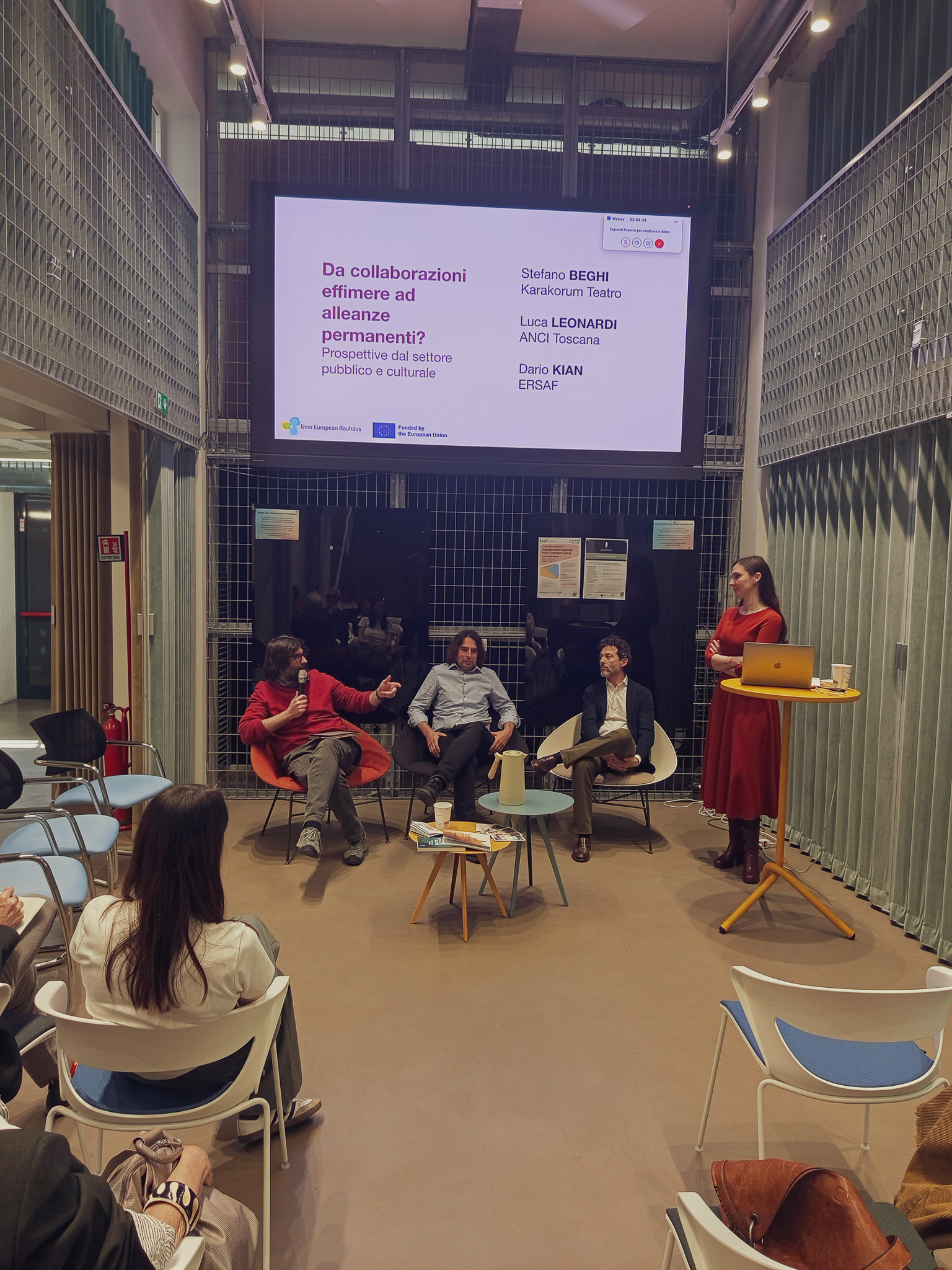
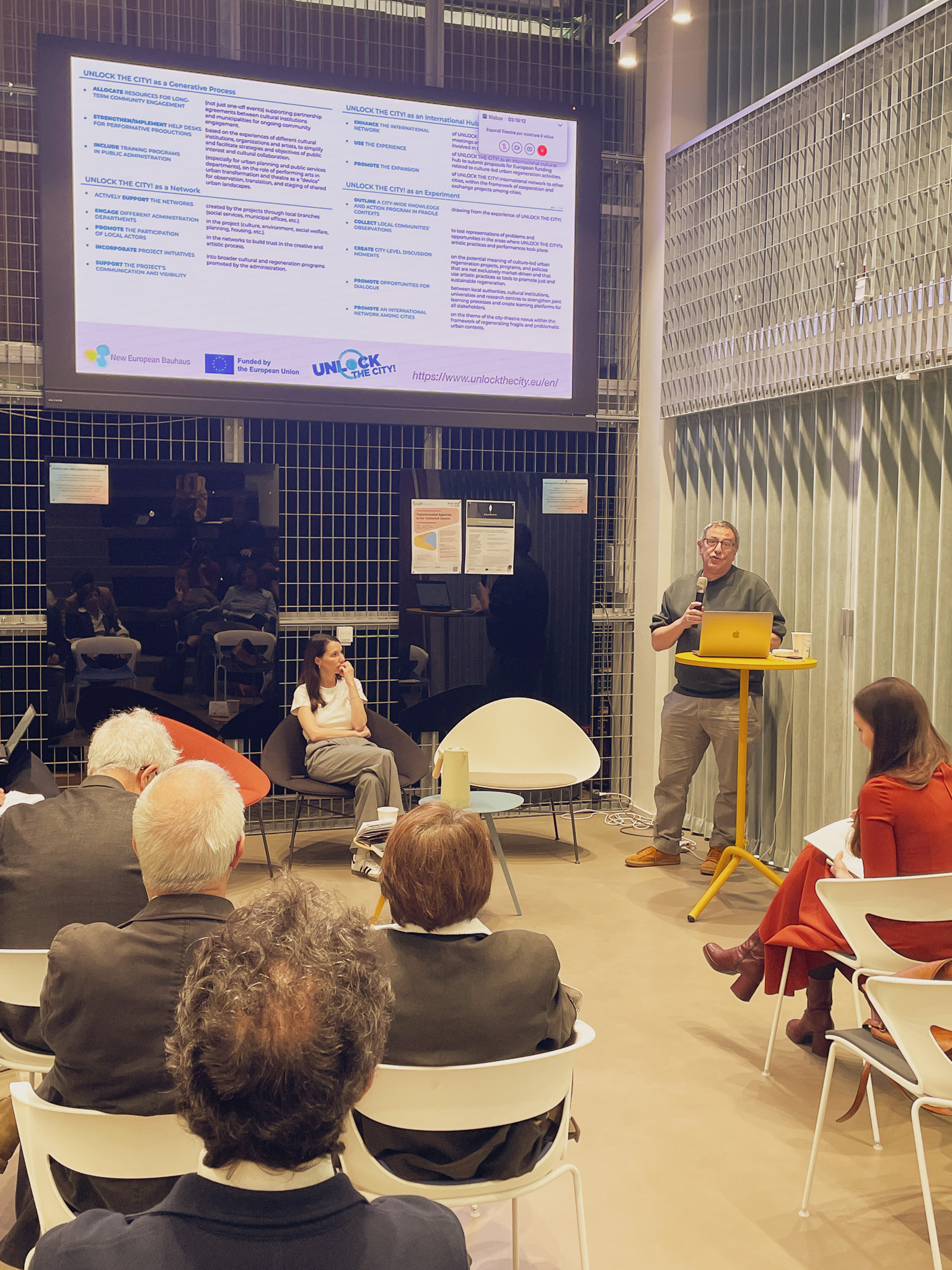
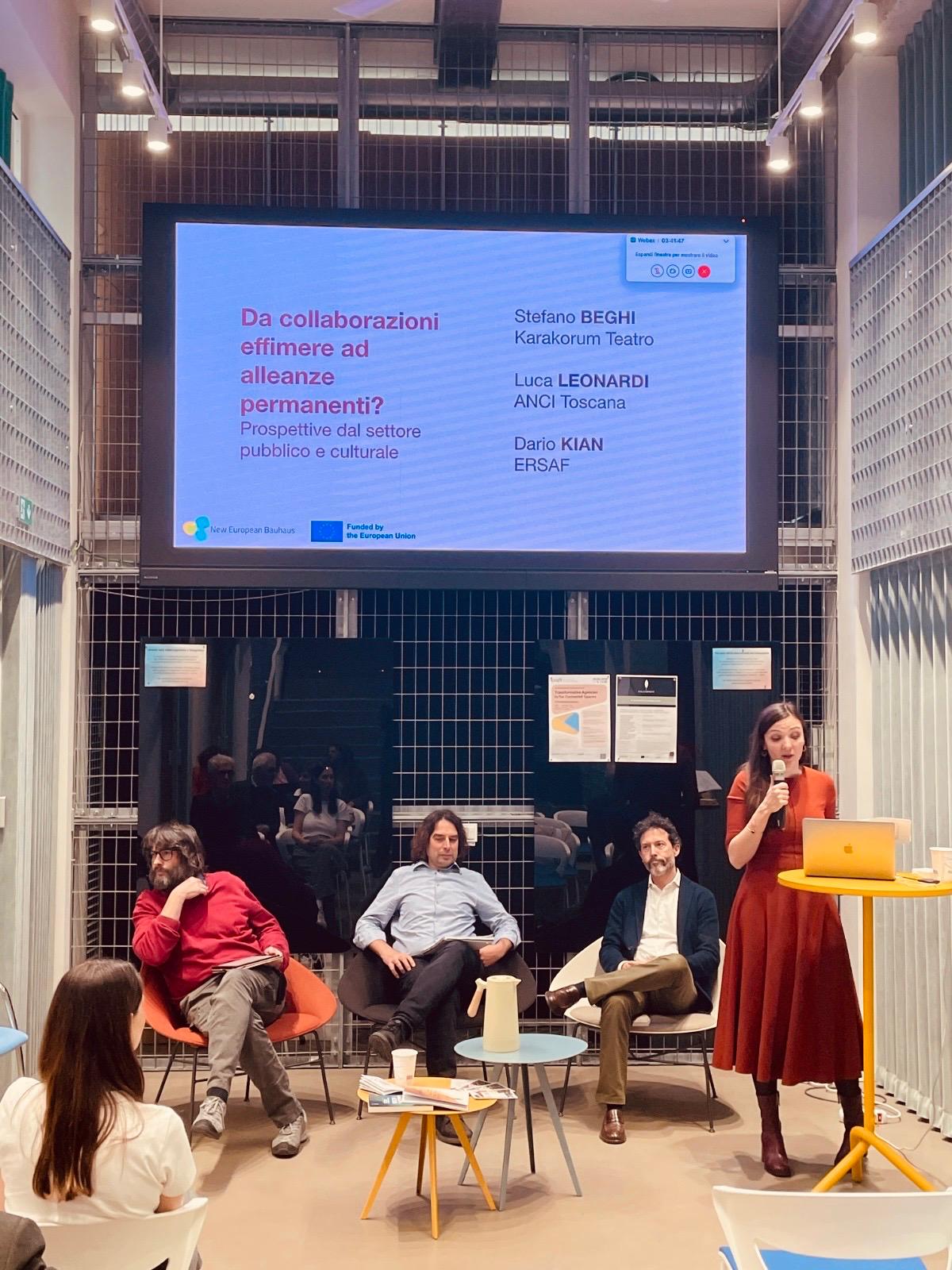
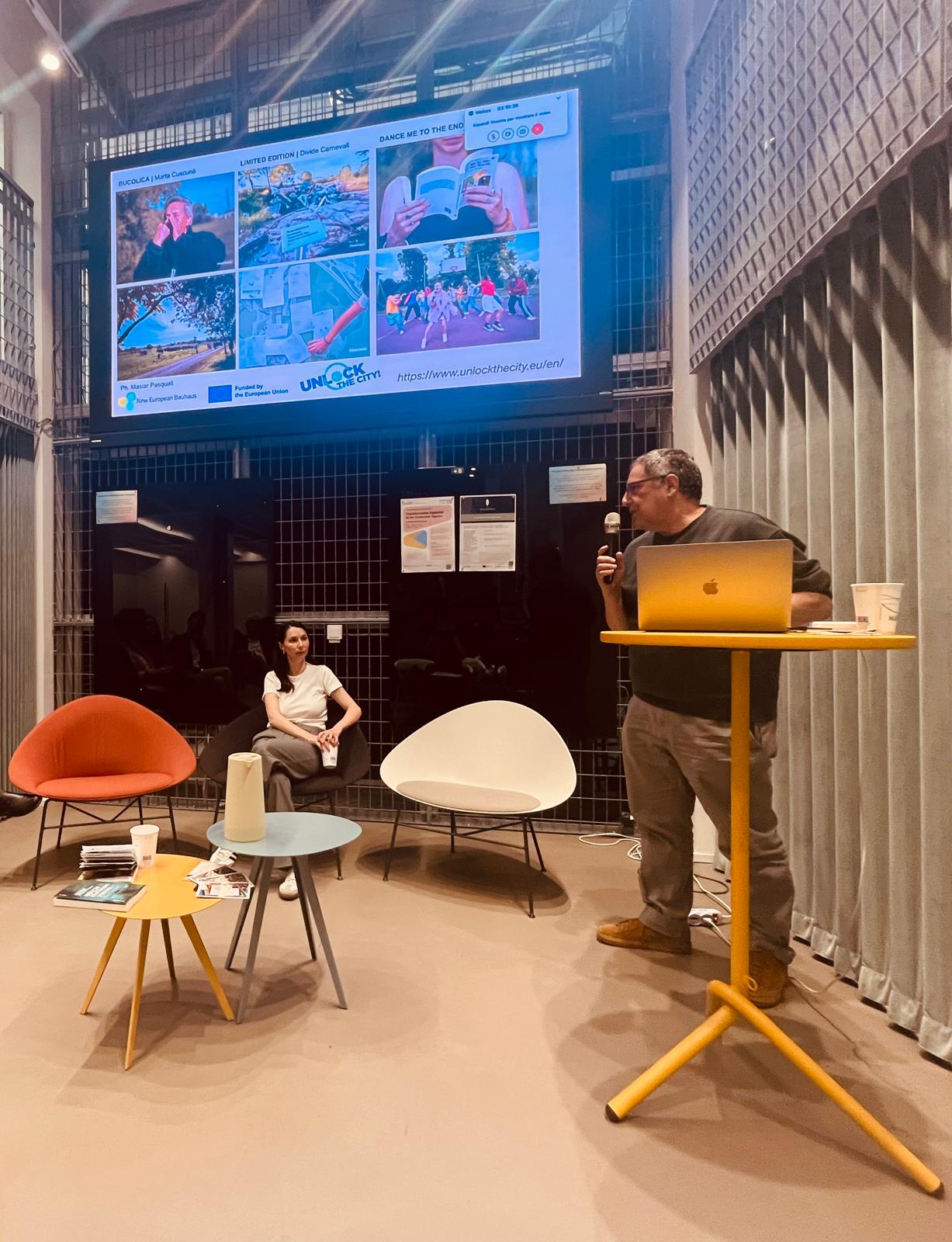
The late morning hosted a policy roundtable, From Research to Transformative Action, bringing PALIMPSEST into dialogue with two sister European projects, HERITACT and UNLOCKTHECITY!, with their representatives Andrea Balestrini (Studio LAND) and Gabriele Pasqui (POLIMI). Moderated by Irene Bianchi, the session began with Valeria Fedeli (CRAFT – POLIMI), who emphasised the importance of policies for fragile territories, and continued with a discussion on policy guidelines and recommendations for the cultural and creative industries. The conversation underlined a clear takeaway: the work done across these projects holds genuine potential to shape future policy directions at both local and European level. From the PALIMPSEST consortium Dario Kian (ERSAF), Stefano Beghi (KARAKORUM) and Luca Leonardi (ANCI Toscana) offered complementary perspectives—as a public body, a cultural actor, and a policy-making institution. Closing the session, prof. Pierluigi Sacco (Università G. D’Annunzio Chieti-Pescara) and Maria Tartari (IULM), both experts in cultural economics, highlighted key issues and raised important questions about the role of creativity and culture in shaping urban transformation and their social value.
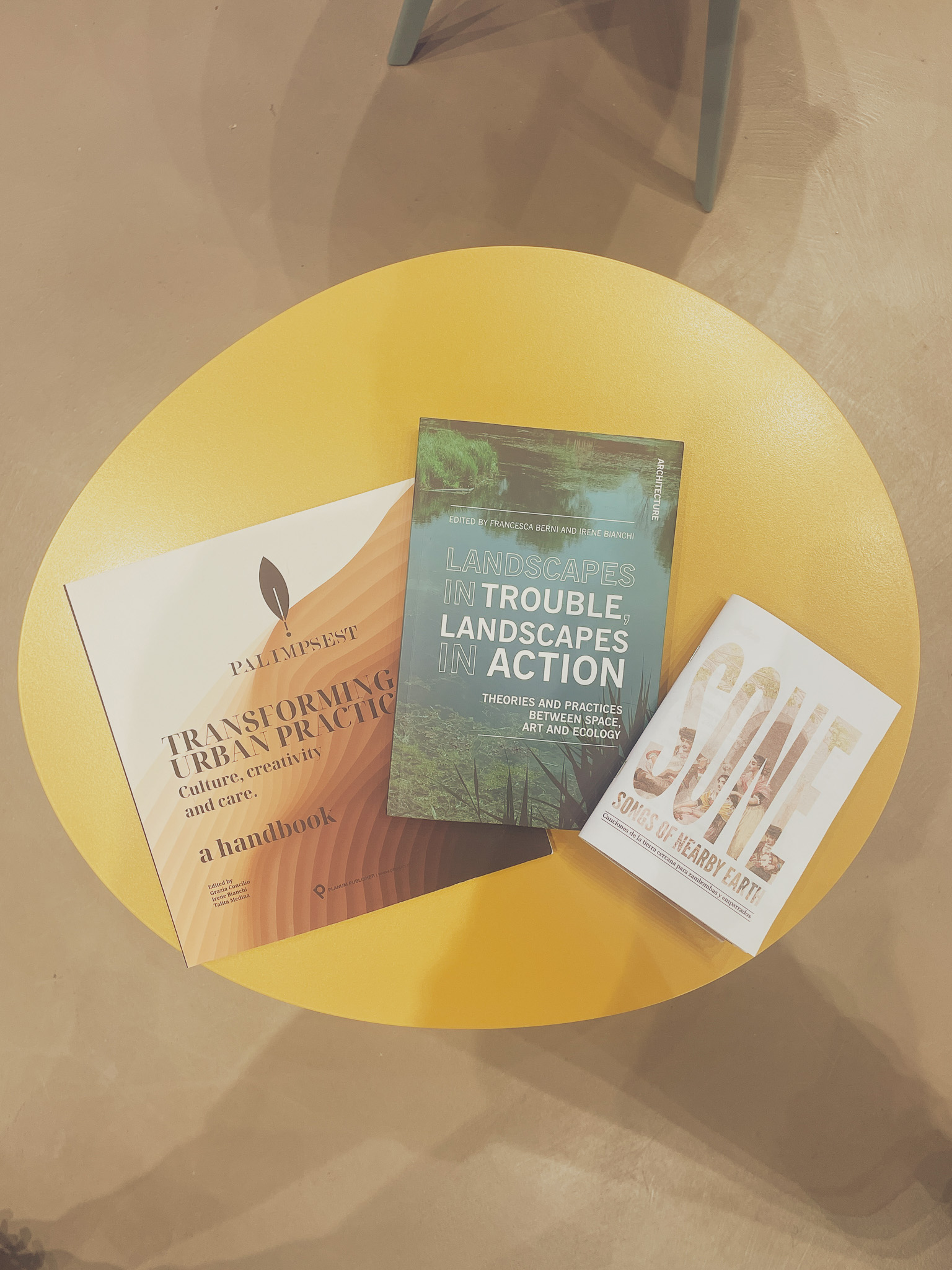
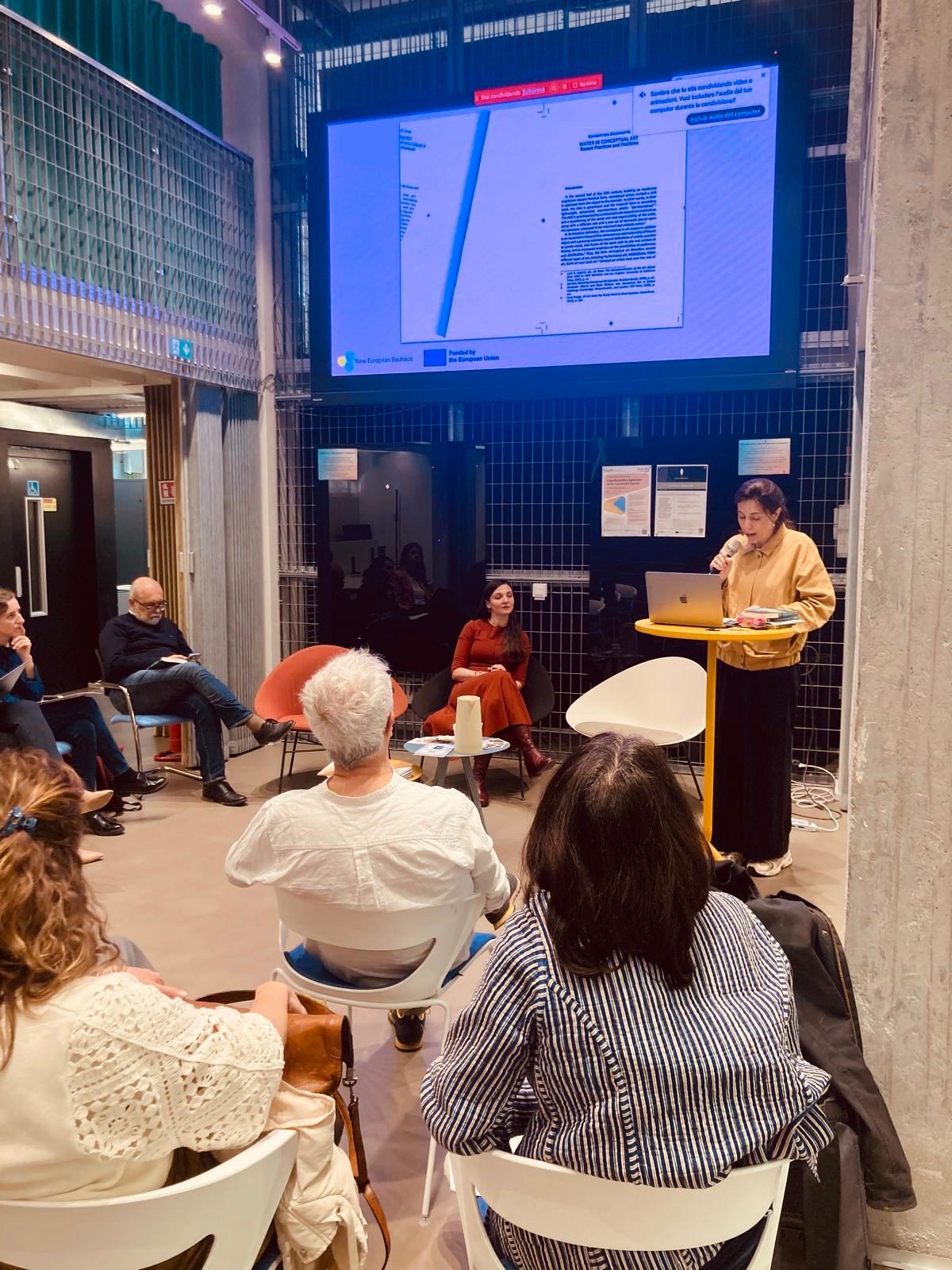
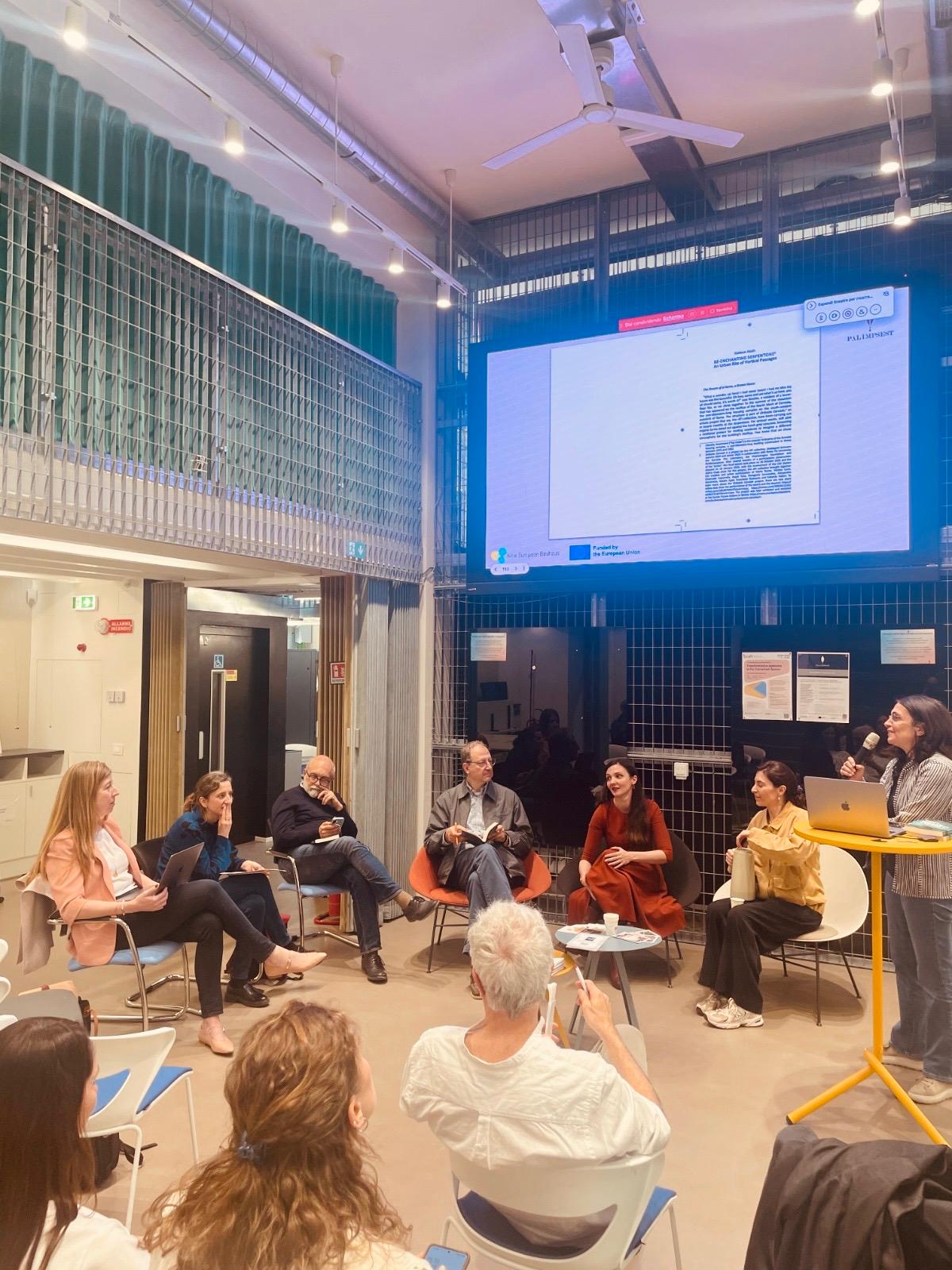
The afternoon closed on a particularly celebratory note with the launch of the book Landscapes in Trouble, Landscapes in Action: Theories and Practices Between Space, Art and Ecology, a publication that aims to give lasting form to the ideas, practices, and reflections developed throughout PALIMPSEST at the intersection of space, art, and ecology. In conversation with the book’s editors, Irene Bianchi (POLIMI) and Francesca Berni (POLIMI), together with Antonio Longo (POLIMI), Chiara Geroldi (POLIMI), Sanna Lehtinen (Aalto University), and Pierluigi Sacco (UNICH – Chieti Pescara), the session unfolded into a rich and engaging discussion. Our sincere thanks go to all the guests for their valuable contributions.
More about the book here!
Overall, it was a day of reflection and celebration, bringing the PALIMPSEST team together one last time to recognise what has been built and to look ahead at the legacy it leaves behind. It was a moment to pause, to share, and to acknowledge a journey shaped by collective effort and shared vision.
A heartfelt thank you goes to the New European Bauhaus initiative and to all partners and participants involved in this three-years process who, with generosity, commitment, and creativity, made PALIMPSEST possible. This journey has been truly collective—woven together through the dedication, knowledge, and care of everyone involved.
Published on: May 4, 2026