

Jerez de la Frontera (Spain) is an Andalusian city rich in history and tradition. Known for its world-famous wines, fine horses, fertile countryside, and as the birthplace of flamenco (UNESCO Intangible Cultural Heritage), Jerez also stands out for its unique natural conditions. The region is notably windy, and the city lies within an extensive area of albariza soil—a type of terrain highly prized in viticulture for its exceptional capacity to retain water and nutrients.
Another distinctive feature is the air temperature: the summer of 2025 was exceptionally hot, with Jerez registering Spain’s highest recorded temperature of 45.8°C. Faced with increasingly extreme heat, the city is seeking innovative environmental solutions to enhance the liveability of its public spaces during the hottest months.
In the context of climate change and the energy transition, new infrastructures such as wind turbines and photovoltaic (PV) plants are rapidly proliferating. Their expansion is generating tensions among competing land uses, economic activities, and landscape perceptions. What for some represents an evolution of the landscape, aligned with decarbonisation goals, is perceived by others as the deterioration of a locally rooted heritage—often associated with externally driven investments and limited community embeddedness. What remains certain is that Jerez is currently undergoing an active and contested process of landscape reconfiguration.
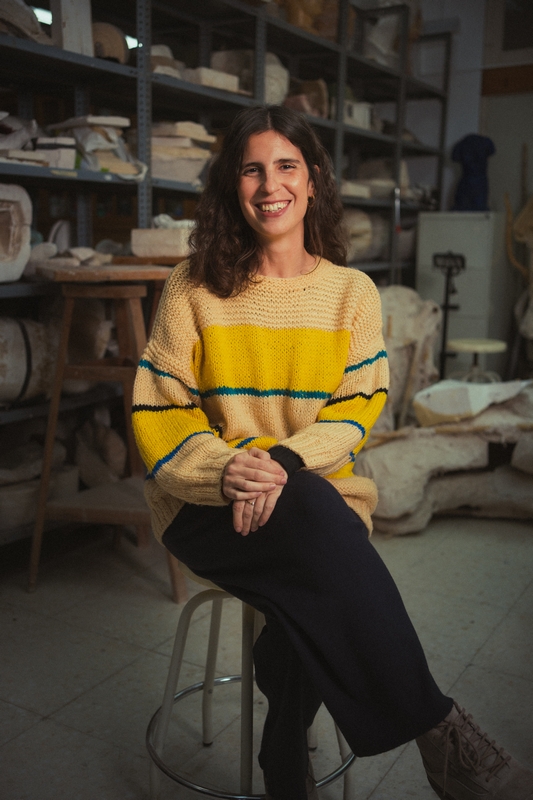
SONE – Songs Of Nearby Earth, proposed by Estelle Julian from Culturama, explores the territory of Jerez by integrating local knowledge, landscape traditions, and cultural expressions. The project engages with the materiality and life cycle of a ceramic object (the zambomba musical instrument), the ritual and its lyrics (the zambomba celebration), and renaturalisation practices such as vine-arbour canopies (emparrados).
SONE creates spaces for reflection on pressing contemporary challenges—including climate adaptation, the energy transition, and landscape transformation—and translates these explorations into concrete actions. These include a contemporary reinterpretation of the zambomba, both as a ritual and musical instrument, and interventions in public space through Nature–Culture Based Solutions that draw on the traditional know-how of vine arbours as devices for climate mitigation.
The first activity implemented within the pilot project involved collaboration in the conceptualisation of the semester programme for the ceramics course at the School of Arts – Escuela de Arte y Superior de Diseño de Jerez de la Frontera (EASDJ). The proposal centred on reinterpreting the traditional musical instrument zambomba, exploring its materiality, construction techniques, acoustic properties, and cultural significance.
The semester program included:
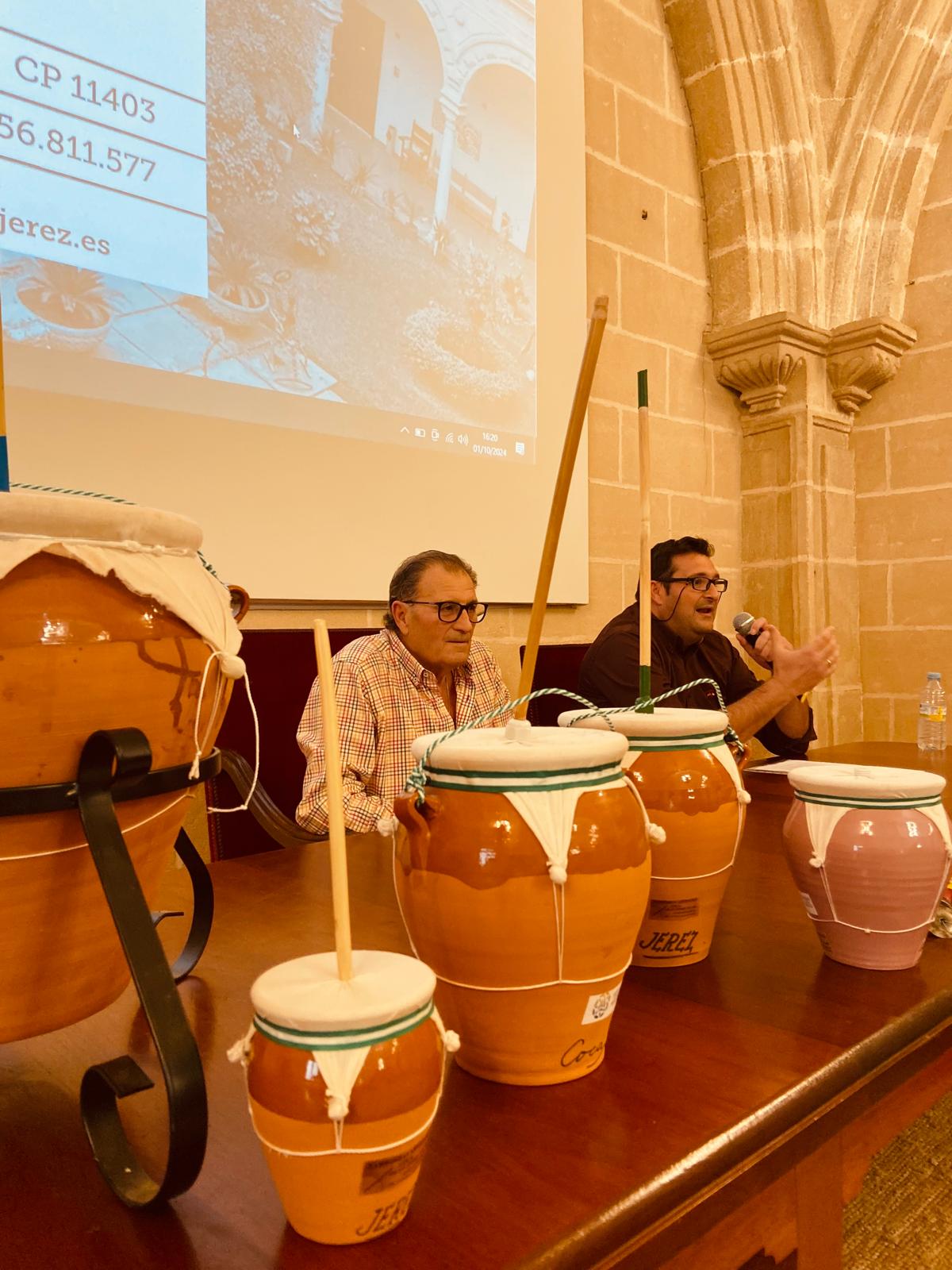
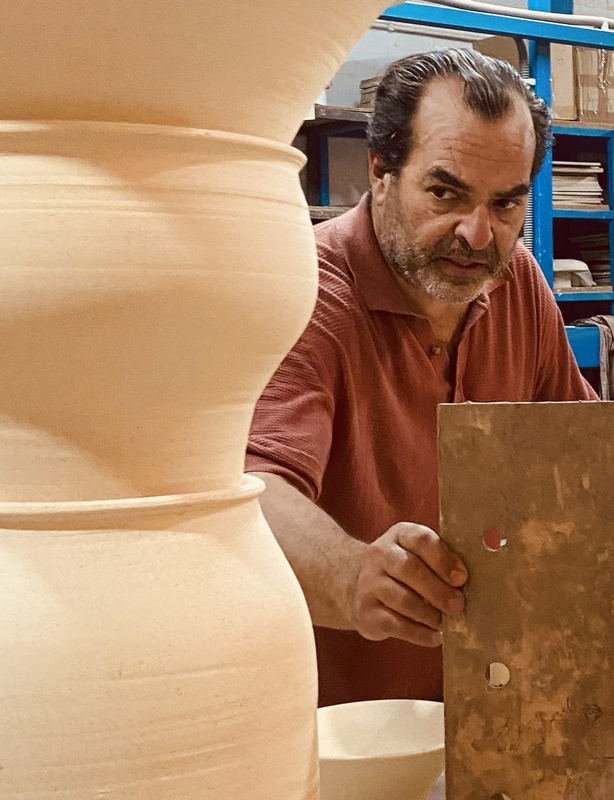
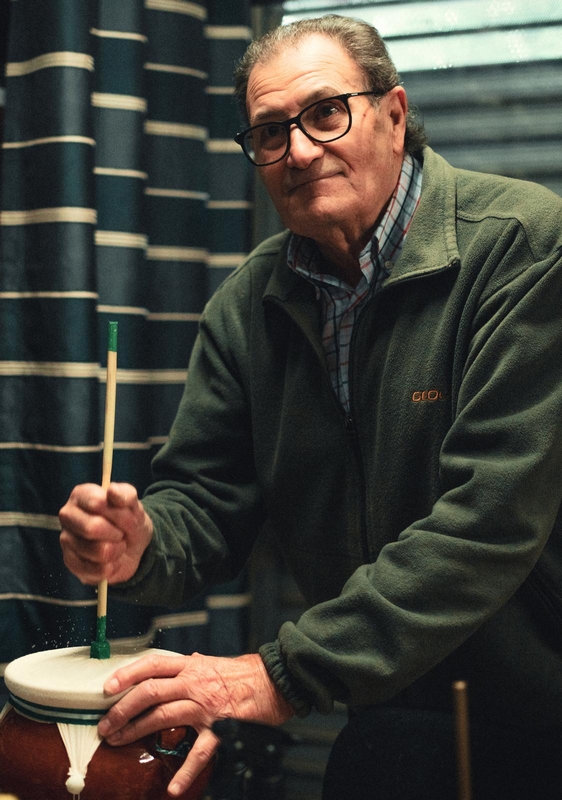
An introductory session presenting the zambomba as a musical instrument and as a Christmas tradition—its history, lyrics, production techniques, material composition, and both traditional and innovative ways of playing it. The session featured the Coca family (zambomba makers), musician Belenish Moreno-Gil, Estelle Julian, and the SONE project.
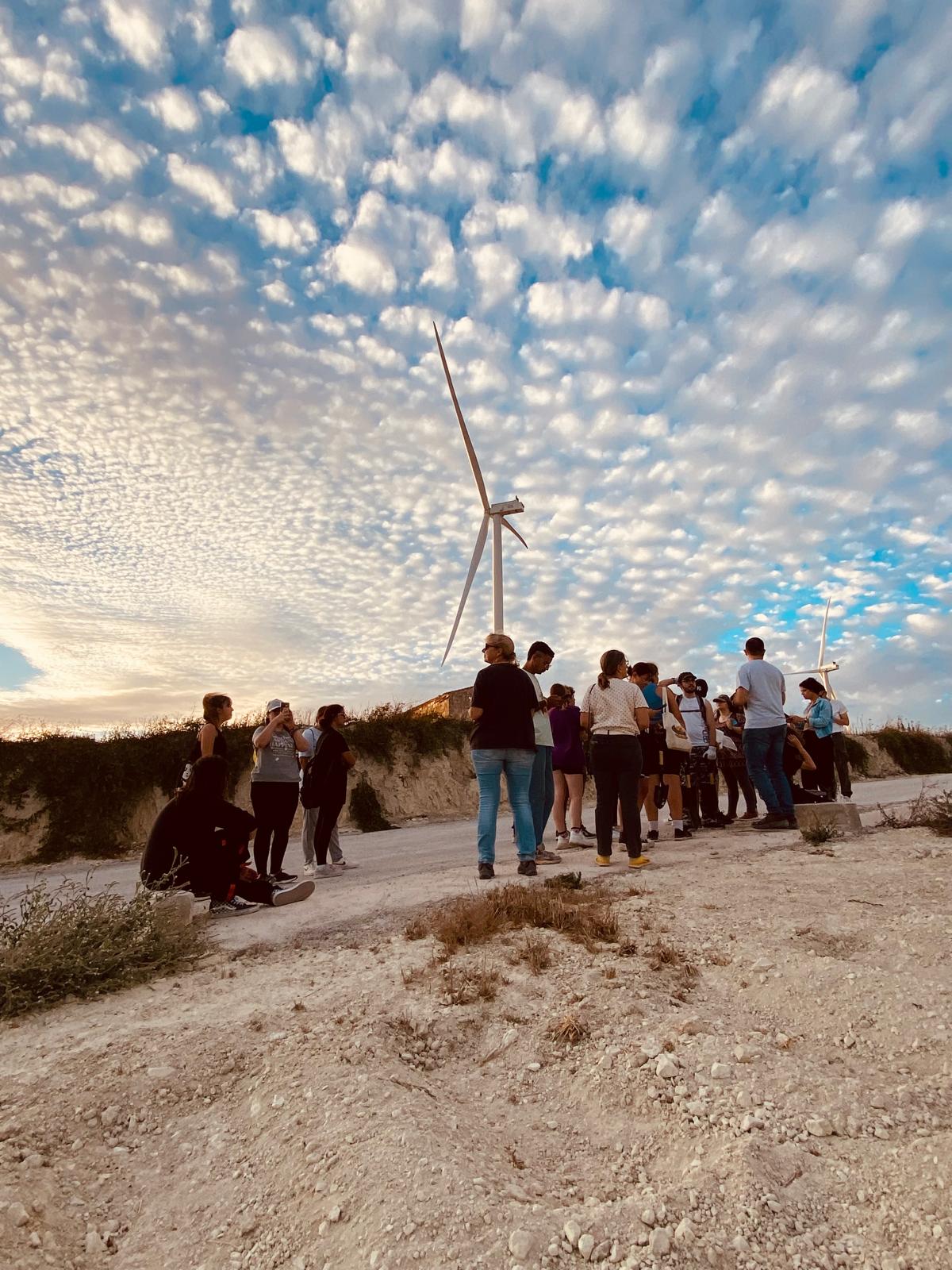
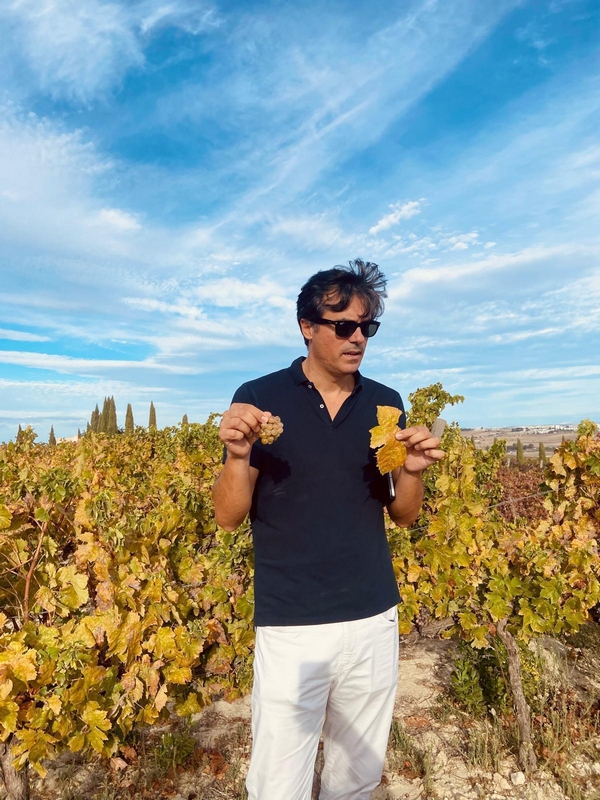
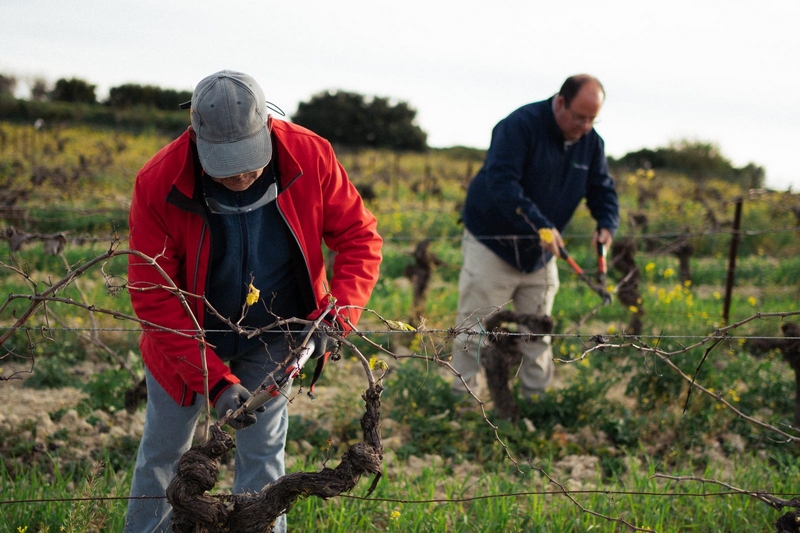
A field lecture and exploration with Willy Pérez—geologist, wine producer/researcher, and owner of Bodegas Luis Pérez—held in the bodega’s vineyards. The session explored the specific soil composition of the Jerez wine region and provided an overview of the entire winemaking process, from agricultural techniques to production.
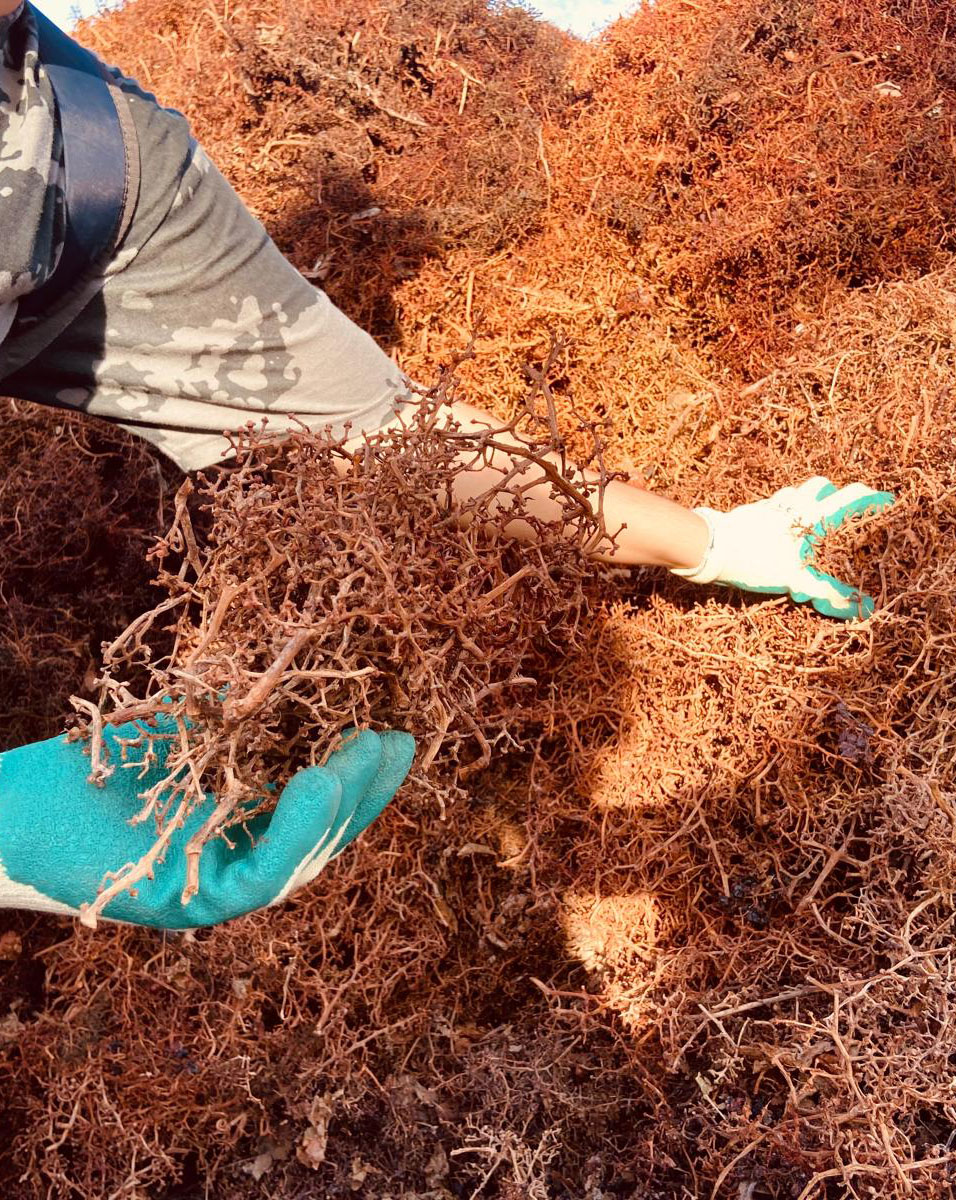
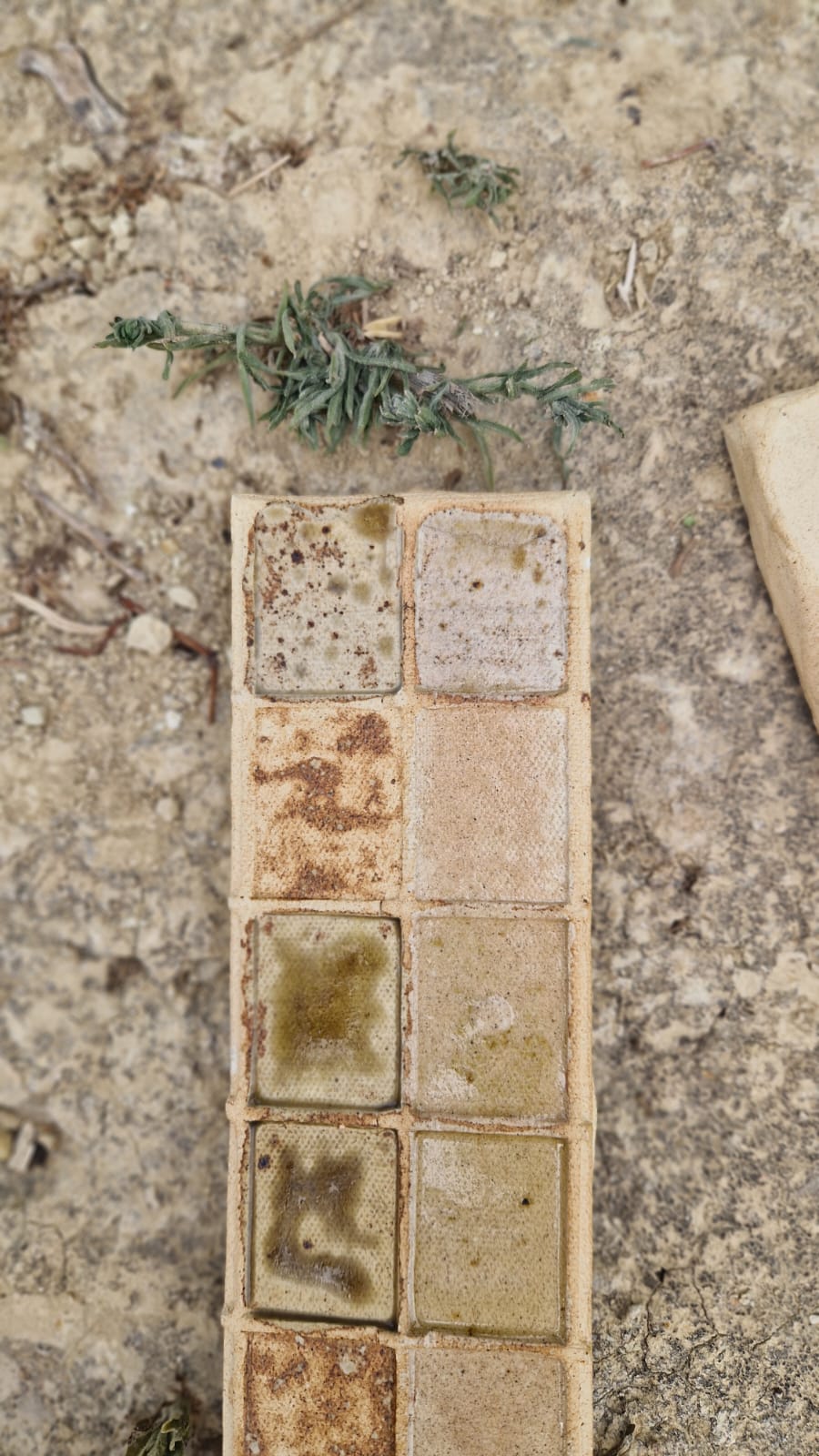
The presentation of the Enamels Catalog, introducing the research and different glaze compositions made mostly from the burning of vine cuttings (pruning waste) but also other elements from the landscape were tested (i.e. albariza, salicornia or reeds), creating a direct material link between the objects and the annual agricultural cycles. Several samples were produced to experiment with different glaze compositions. Ultimately, four glaze scenarios were selected and tested for the SONE Zambomba pots.
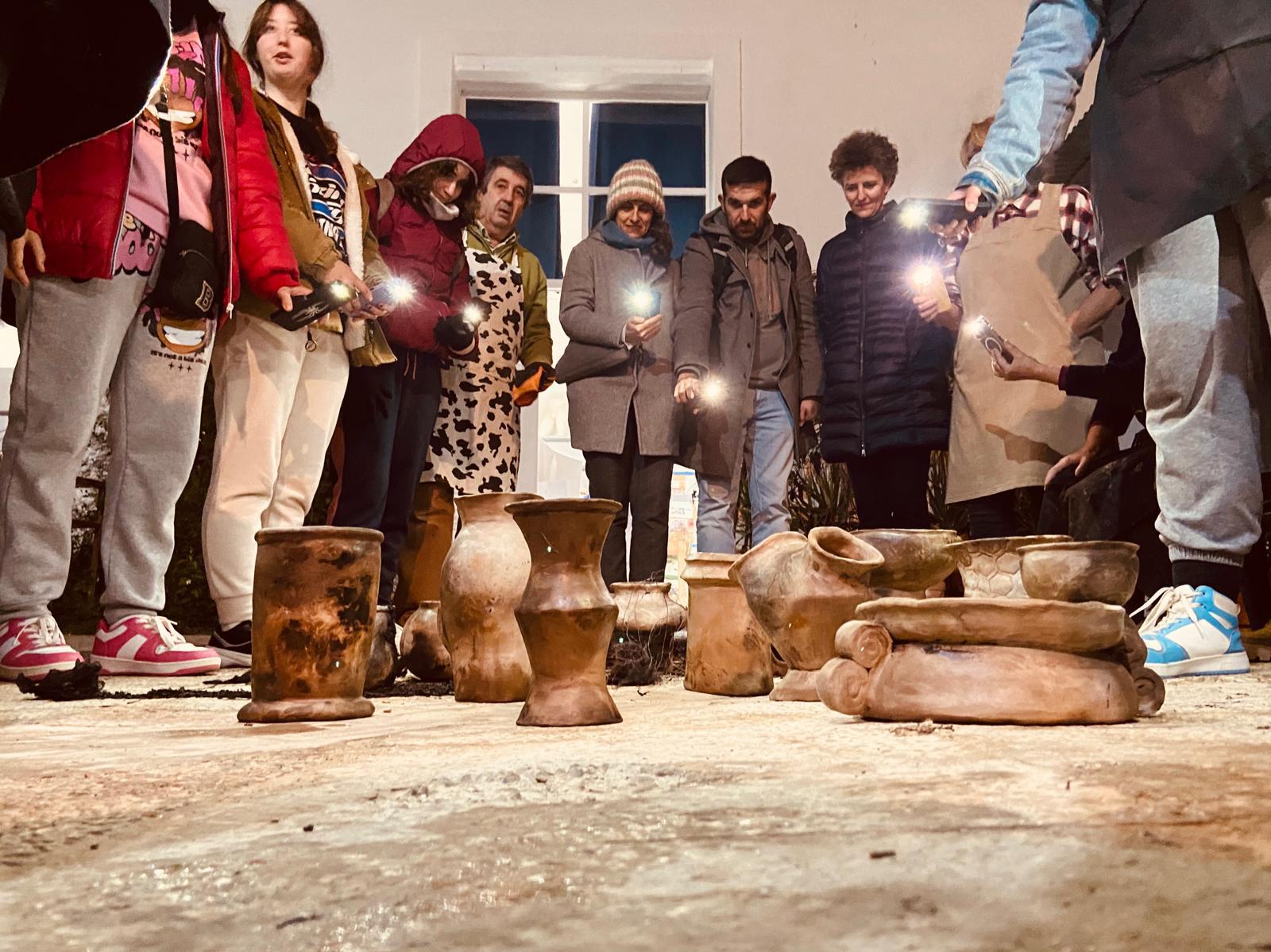
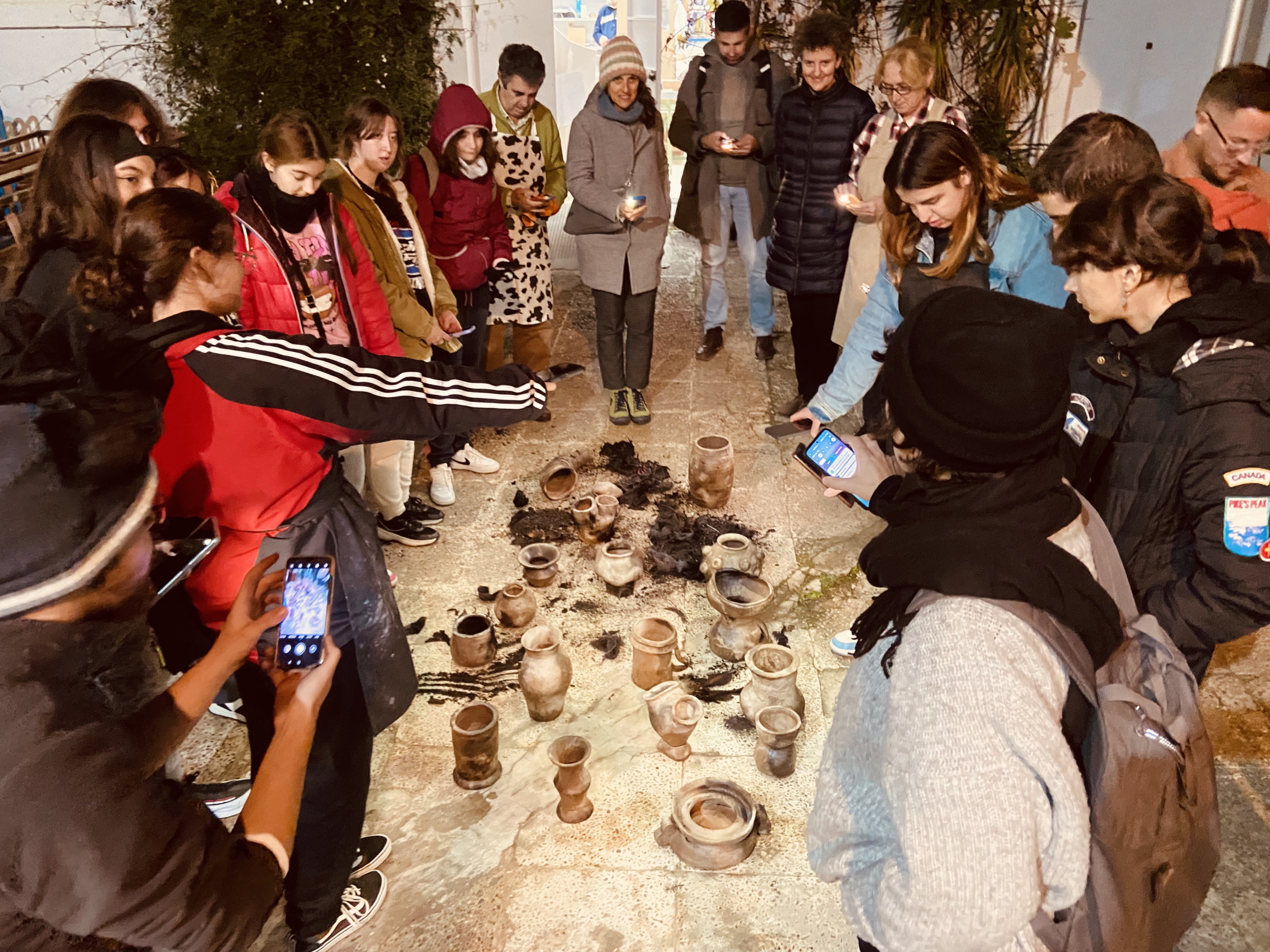
A firing session featuring two traditional techniques: pit firing and raku obvara.
A Christmas Zambomba performance in the school courtyard with local artists Lucía Franco Corrales and Claudia GR Moneo, authors of Lah Letrah de Nuehtra Zambomba.
An exhibition of the students’ zambombas new shapes in the school’s outdoor spaces.
The course’s program operationalised the bio-regional approach within an educational and institutional framework, turning its principles into concrete learning practices.
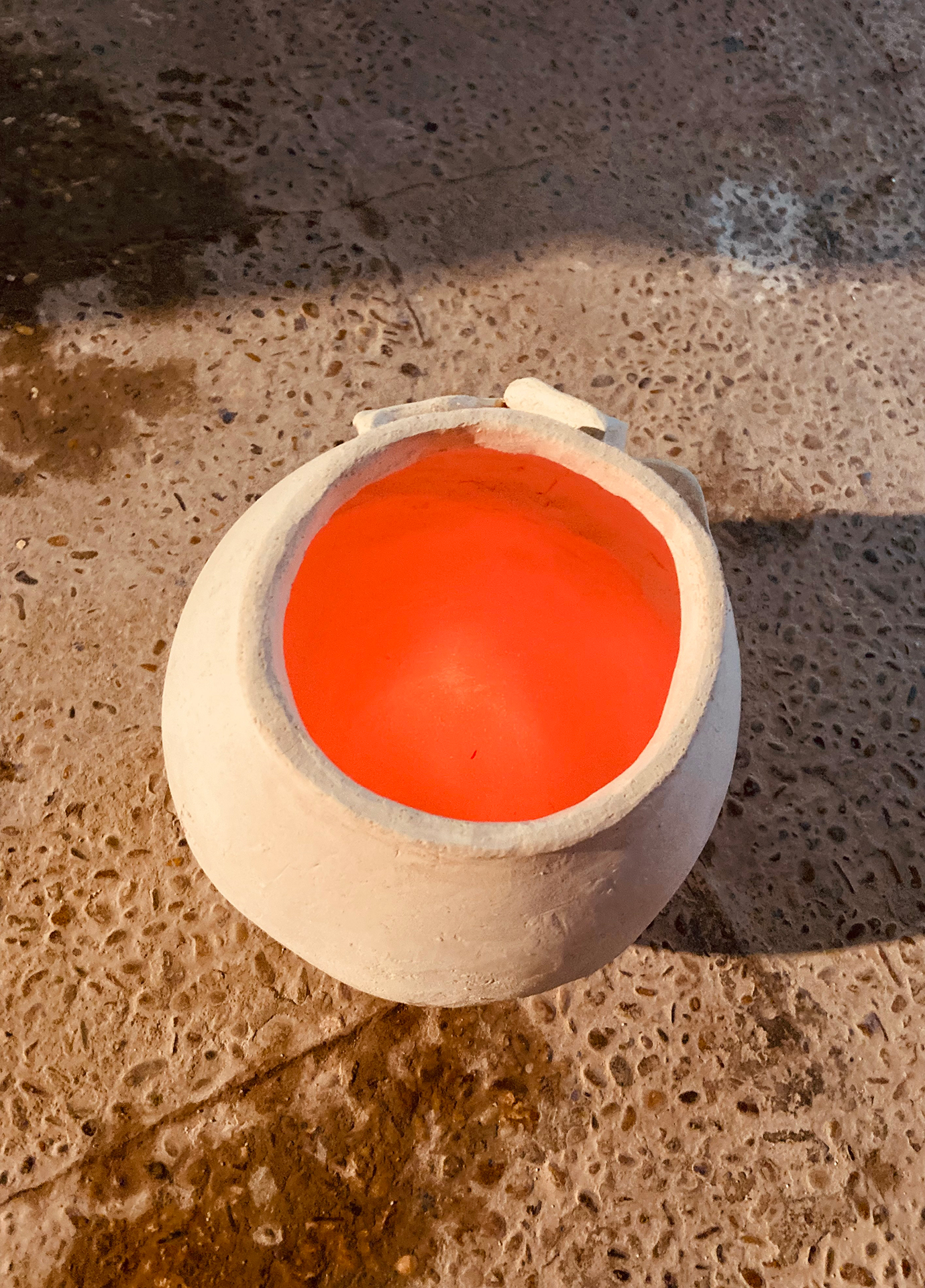
The further explorations on the design of SONE Zambomba pot focused on sound, form and the composition of the glazing mixtures used for each of its components. Conceived by Estelle Jullian and Nomad Garden, the new zambombas act as multidimensional communication tools: their shapes, glazes, and sounds collectively narrate the evolution of local landscapes, human practices, natural dynamics, and economies. They also echo the rapid technological shifts of the so-called Anthropocene and their climatic impacts. These contemporary musical instruments reinterpret and reimagine the traditional zambomba, transforming it into a vessel of environmental memory and cultural expression.
The prototypes were made through hand-built ceramic production combined with experimental glazing: a zambomba composed of three parts designed to be assembled by stacking the pieces. Two different zambombas were created by combining four distinct elements. The shapes were derived from diagrams representing the average temperatures of Miocene (the piece in the bottom) and the Holocene (the piece at the middle) geological periods, as well as two projected scenarios for the so-called Anthropocene: one showing a dramatic rise in temperatures (top piece), and another depicting a milder evolution (second version of the top piece).
Four different enamels were selected among the catalogue designed by the EASDJ students. The variation in the glazing mixtures corresponds to the “geological period” represented by each piece, with the main components derived from specific chemical elements that were predominant during that period.
The functions of this new object are:
- production of zambombas as musical instruments and cultural heritage objects (Christmas tradition);
- recycled everyday objects such as lamps, speakers, or public installations;
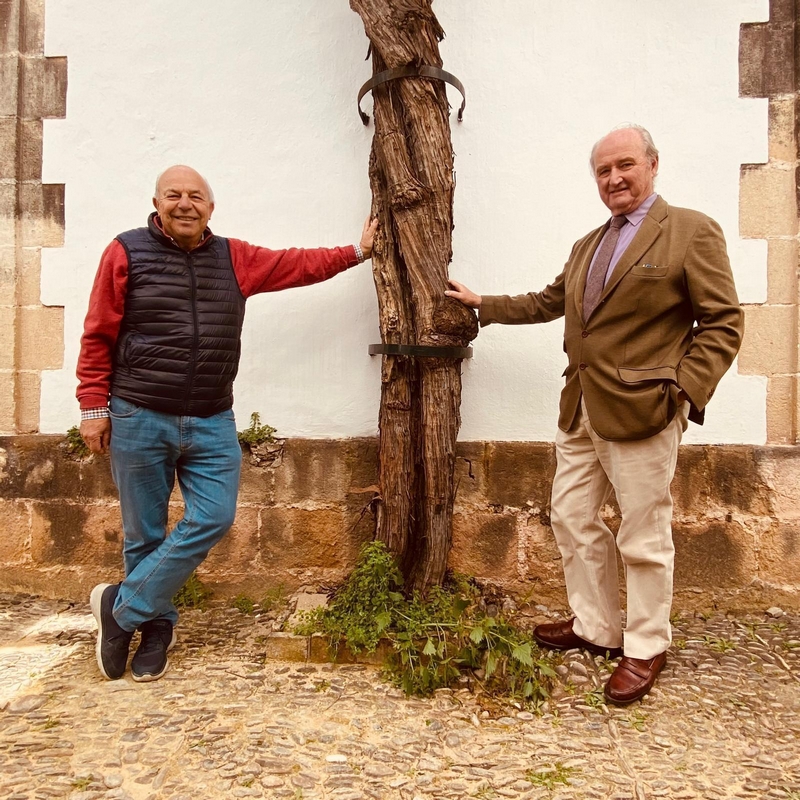
- a protective barrier for vines planted in urban spaces (green canopies). It shields the plants from dog urine and prevents rodents from climbing the trunks and entering houses through windows, also to deter general damage and vandalism.
Within this approach, the Zambomba emerges as a process of circular transformation of materials, practices, and meanings—an element around which the community gathers and reconnects.
However, the zambomba is not merely an object; it is also a popular festivity and a repertoire of ballads and carols transmitted across generations—a living palimpsest actively explored within SONE. To engage with this collective imaginary dimension, the artists Claudia GR Moneo and Lucía Franco were invited to develop a repertoire for the “Climate Zambomba”.
The resulting selection combines traditional lyrics referencing the landscapes of Jerez with newly composed pieces of their own. Drawing on familiar rhythms and melodic structures, these works mobilise the irony and playfulness characteristic of the genre to offer a critical reflection on contemporary environmental and territorial challenges.
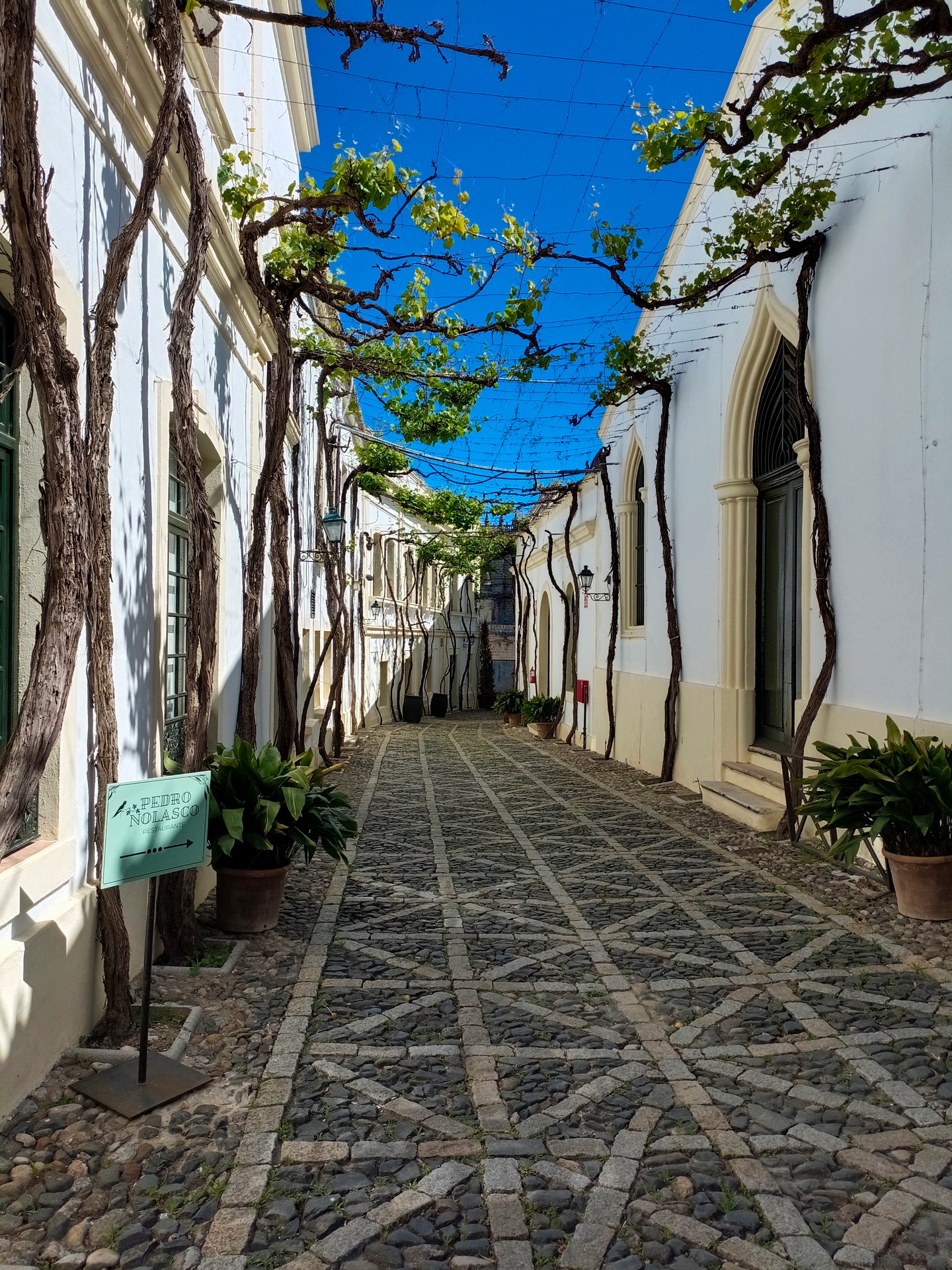
Within this perspective, SONE worked to reinforce the existing practice of installing seasonal urban green canopies in Jerez by generating empirical data on their environmental impact. This was achieved through the installation of sensors in different locations across the city centre, allowing for the monitoring of microclimatic variations associated with green coverage.
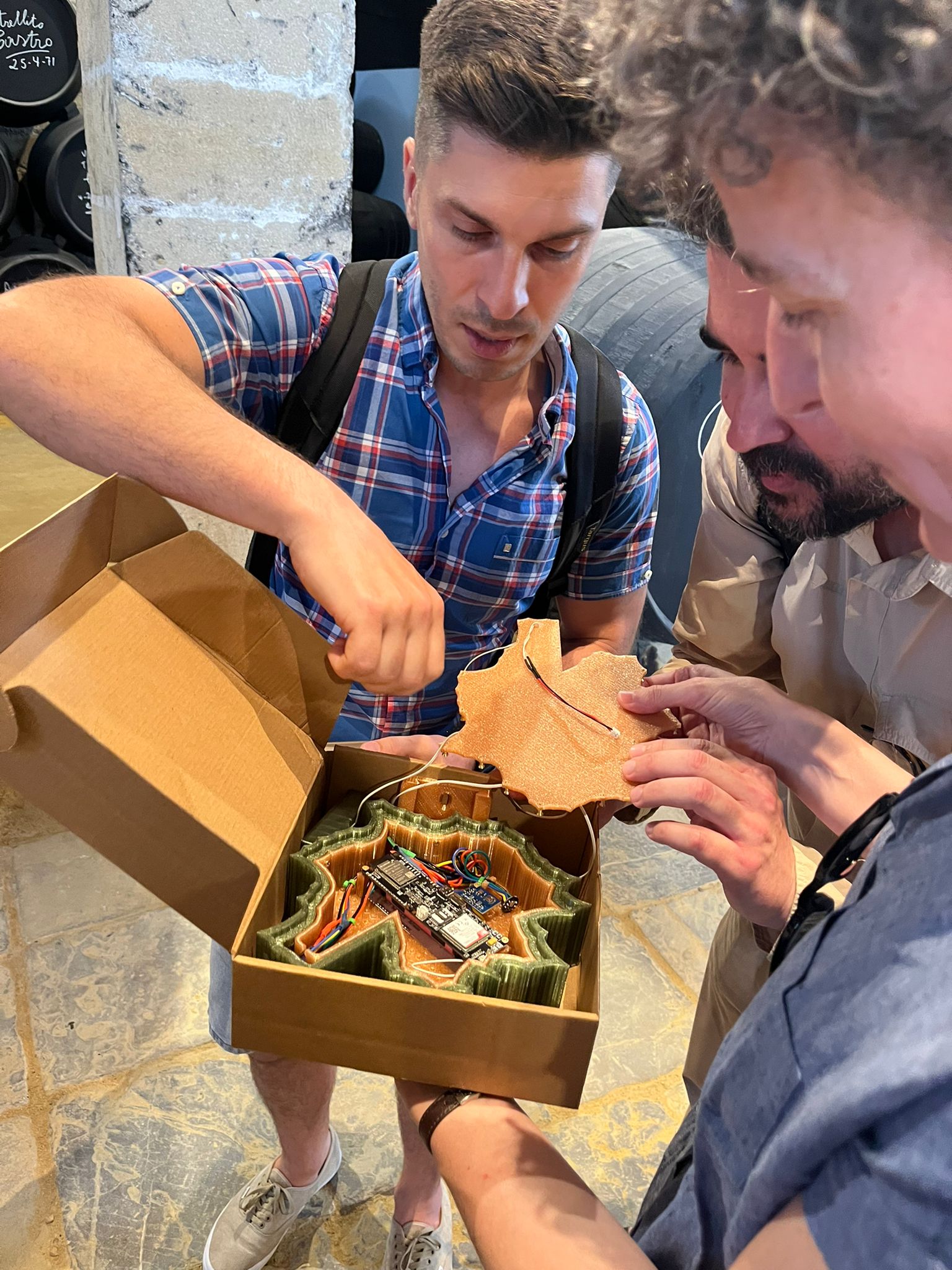
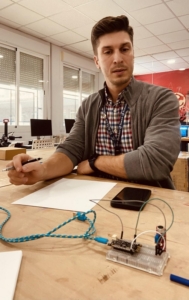
The SONE sensors were conceived as an IoT (Internet of Things) solution to measure the microclimatic effects of urban vine trellises in the streets of Jerez. Eight units were fabricated and installed by Austin Gardner (FabLab Jerez), with the collaboration of three students.
The devices, based on Arduino technology, are capable of recording environmental parameters such as temperature, humidity, light, and air quality. Each unit autonomously transmits its data via a SIM card to a cloud database through an API. Powering the system required an extensive process of fine-tuning solar-powered batteries. Finally, the devices were protected with distinctive enclosures specifically designed for this project and 3D printed in PETG.
Finally, a poetic and deeply evocative exhibition titled S.O.N.E. – Sounds of the Nearby Earth was held at Palacio Riquelme. The exhibition was conceived to present the multiple dimensions explored throughout the SONE project, bringing together its artistic, environmental, research, and community-based components within a single narrative space.
The exhibition served not only to showcase the process, evolution and results of the co-design process with the many local actors involved, but also as a listening and co-creation chamber. Thus, after a tour of the soundscape created by Belenish Moreno-Gil and Óscar Escudero, and the co-creative process of SONE-PALIMPSEST, visitors could collaborate in rewriting the lyrics of popular songs and other new ones, as well as rate or show interest in the urban renaturalisation initiatives through emparrados (vine arbours).
On December 18th, marking both the closing of the exhibition and the conclusion of the pilot activities, a “Climate Zambomba” ritual was performed in the courtyard behind the Palacio, facing Bodegas Tradición. During the event, newly composed carols and reinterpreted “Climate Zambomba” lyrics transformed the traditional festivity into a form of popular lecture on climate change—merging celebration, collective memory, and environmental awareness.
THE ECOSYSTEM
CREATIVE ACTORS


LOCAL ACTORS










Jerez Pilot News
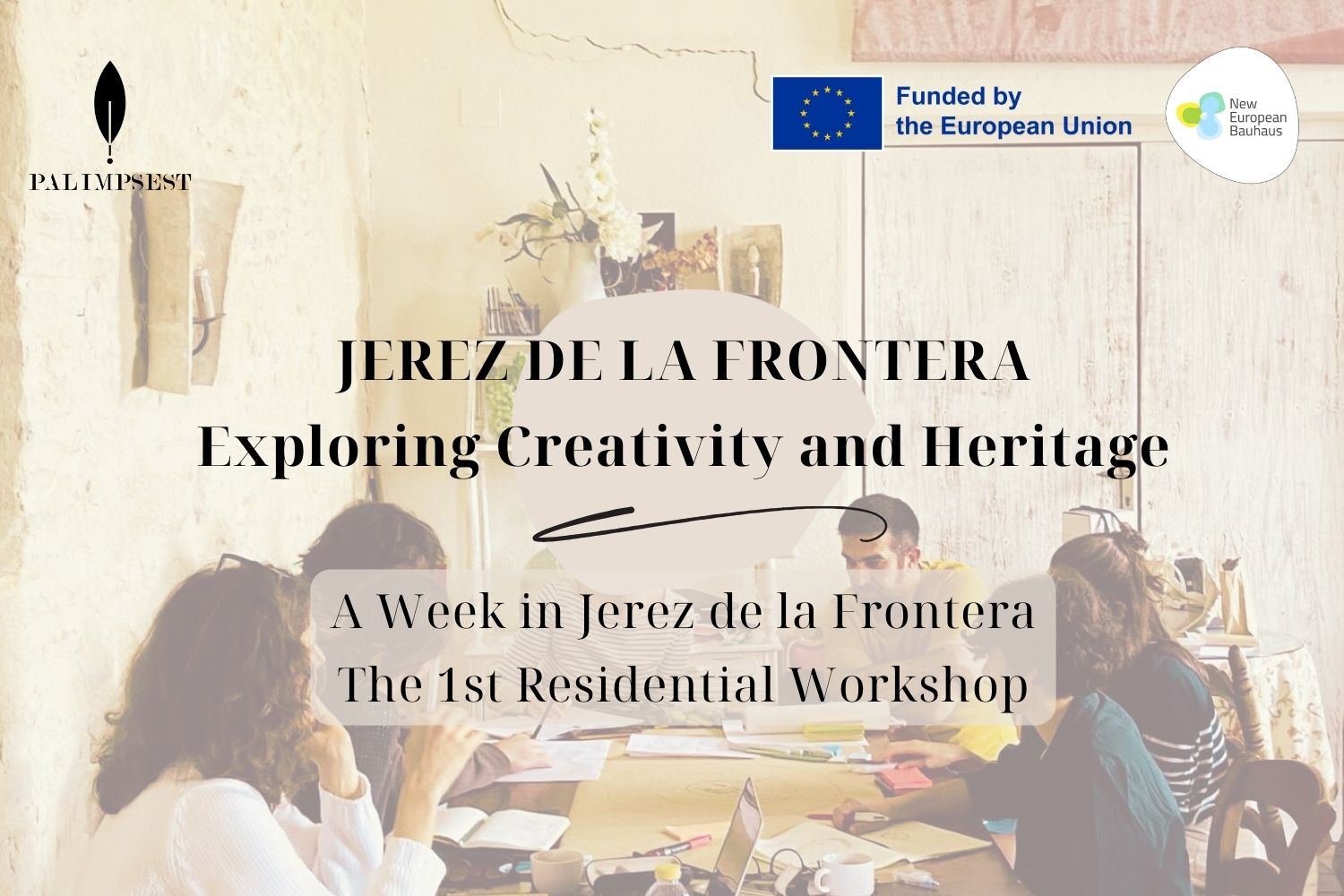
Exploring Creativity and Heritage: A Week in Jerez de la Frontera for the first PALIMPSEST Residential Workshop
The PALIMPSEST Residential Workshop in Jerez de la Frontera recently concluded its first session, offering participants a rich tapestry of experiences, insights, and collaborative endeavours over the course [...]