

Łódź (Poland) is a UNESCO city located in central Poland, known for its industrial heritage and avant-garde artistic history. It is a vibrant urban center hosting a considerable number of film studios, artists, and design agencies and offering hundreds of festivals throughout the year. Its industrial heritage is the subject of large-scale urban redevelopment projects, reinventing its identity with creativity and design.
The city of Łódź (Poland) is undergoing a rapid and profound transformation: its vast industrial heritage is being renovated to attract new residents, tourists, and artists. Despite its ambition to become a modern and vibrant urban hub, Łódź still faces severe air, soil, and water pollution, ranking among the most polluted cities in Europe. Climate change further exacerbates these challenges, bringing recurrent droughts, flash floods, and pronounced urban heat island effects.
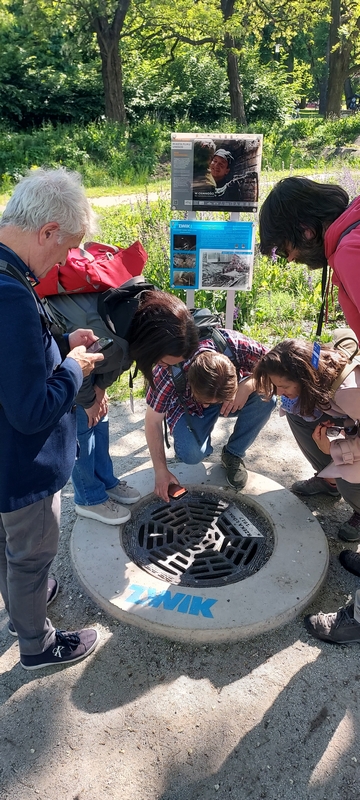
The very name Łódź, meaning “boat,” reveals how deeply the city has been shaped by its water system and how crucial water management remains today. In both the city’s agenda and the daily experiences of its residents, episodes of flooding and drought are ever-present concerns, disrupting everyday life and underscoring the urgency of sustainable action.
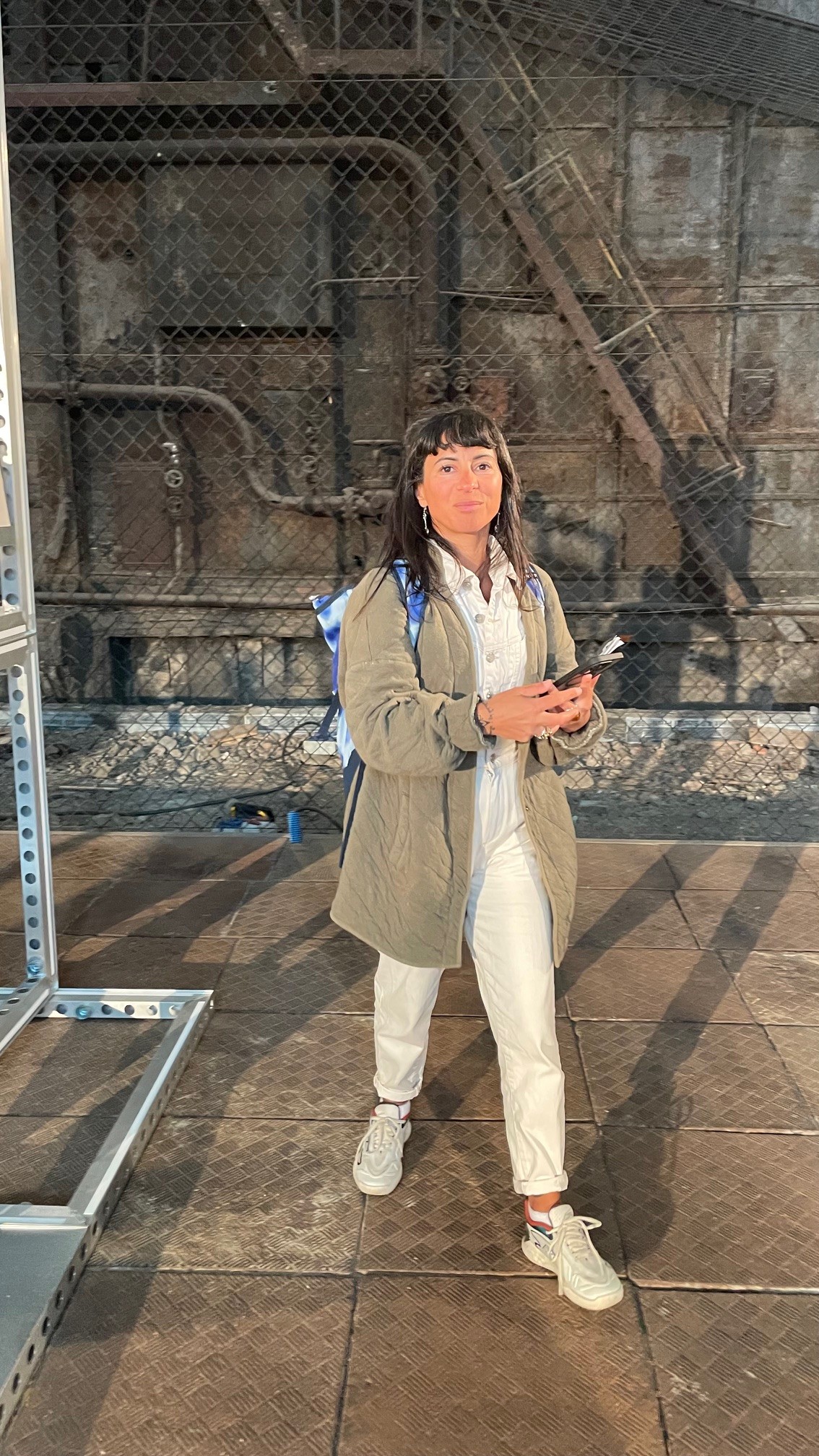
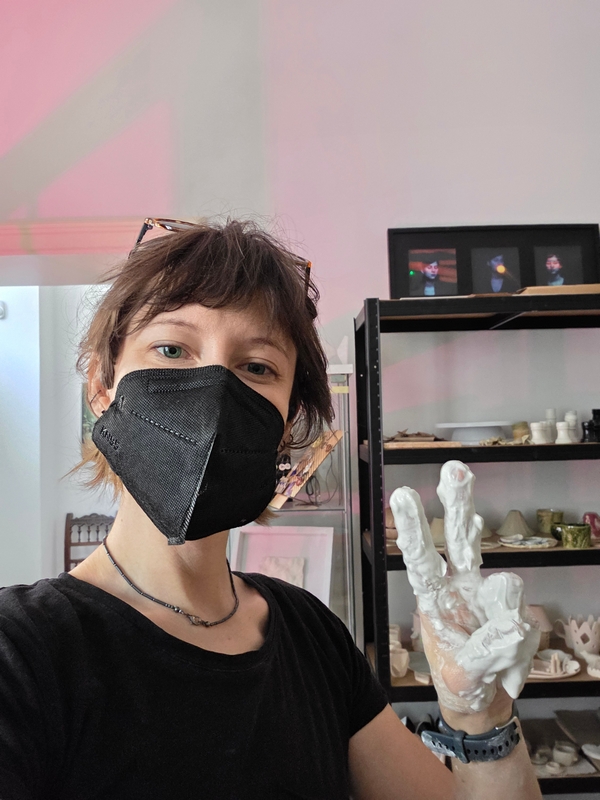
To address these challenges through a diffuse, small-scale, community-based, and site-specific approach, two local artisans and creatives developed solutions rooted in local resources, knowledge, technologies, and traditions. Ceramic artist Magda Stecka created Rain Flowers, a ceramic irrigation device designed to retain and distribute water. Meanwhile, Deer Garden, a landscape architecture studio, conceived Łódzki Meander (Łódź Meander), a blue–green infrastructure strategy that manages water flows by redirecting, distributing, collecting, and slowly releasing surface water into permeable soils across the urban landscape. To empower the community to take proactive action in mitigating these critical events, a toolkit is being developed and will be introduced through workshops for residents.
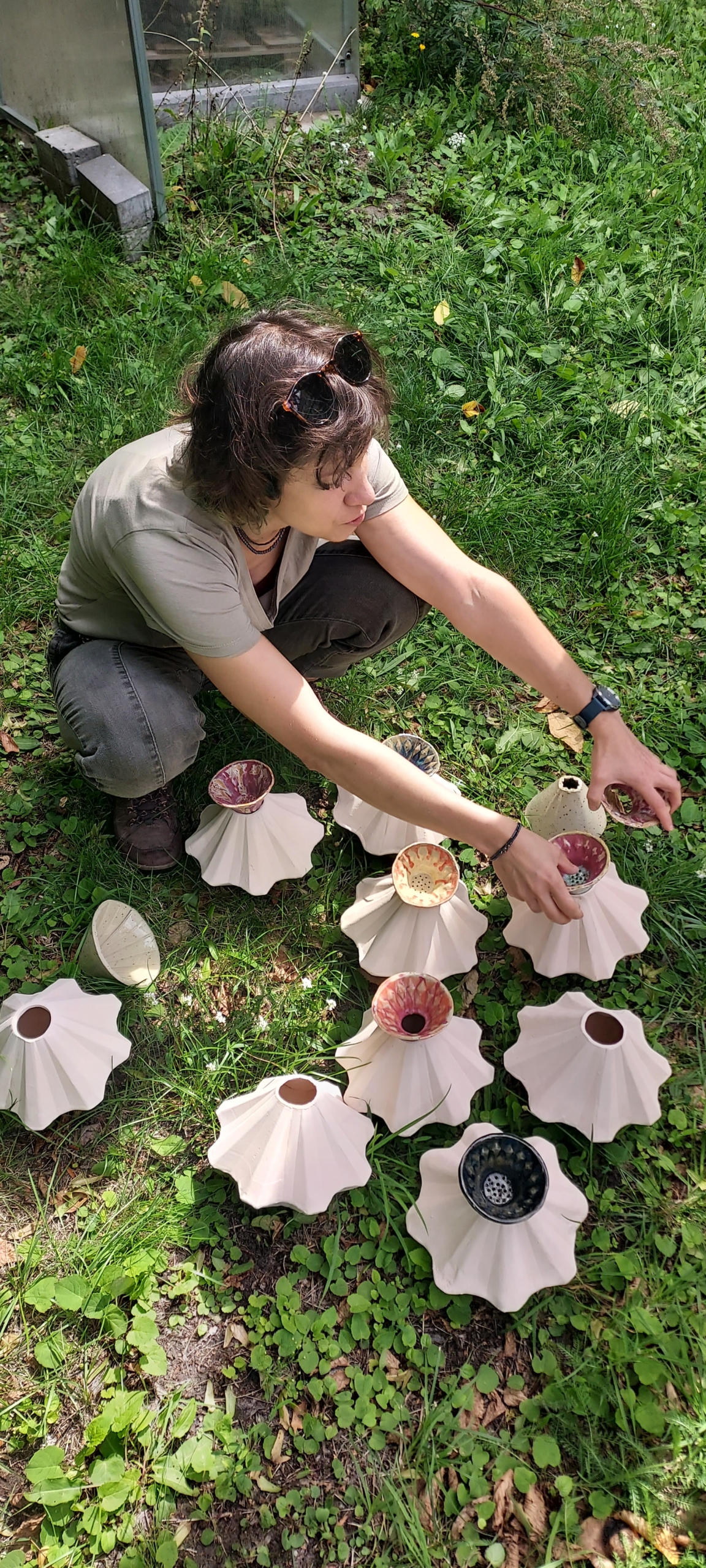
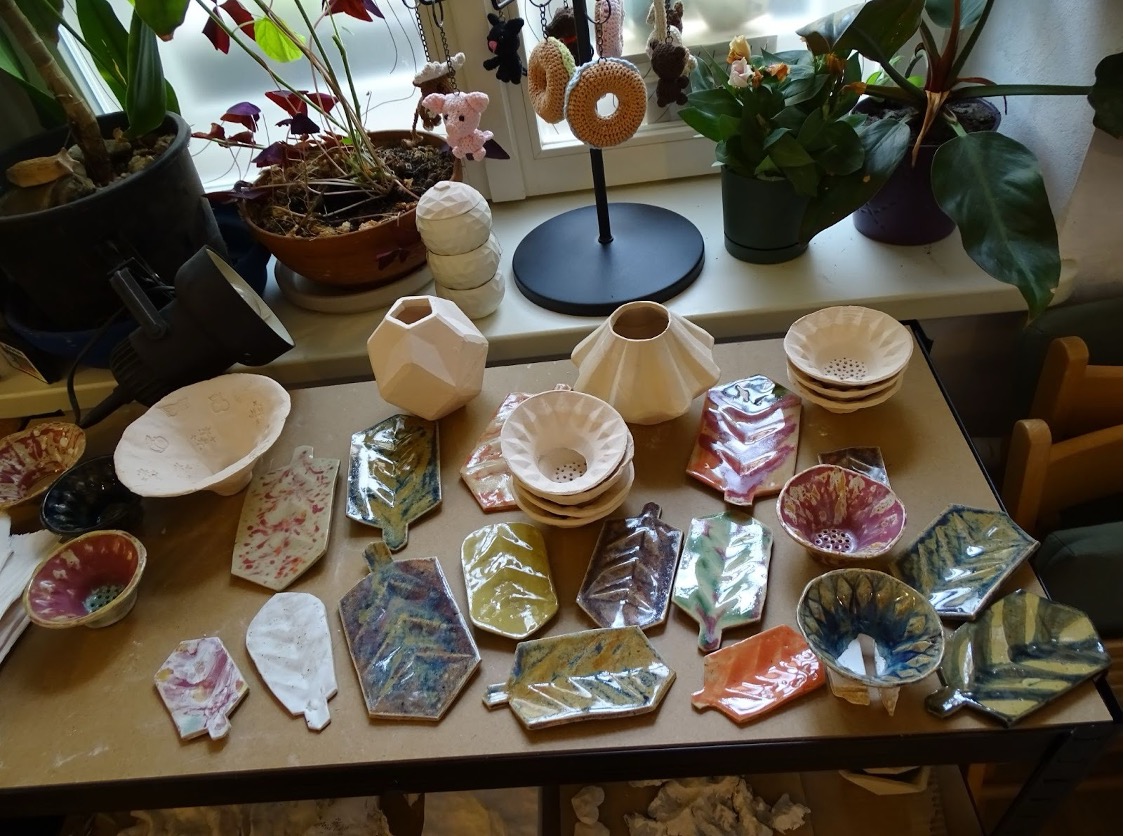
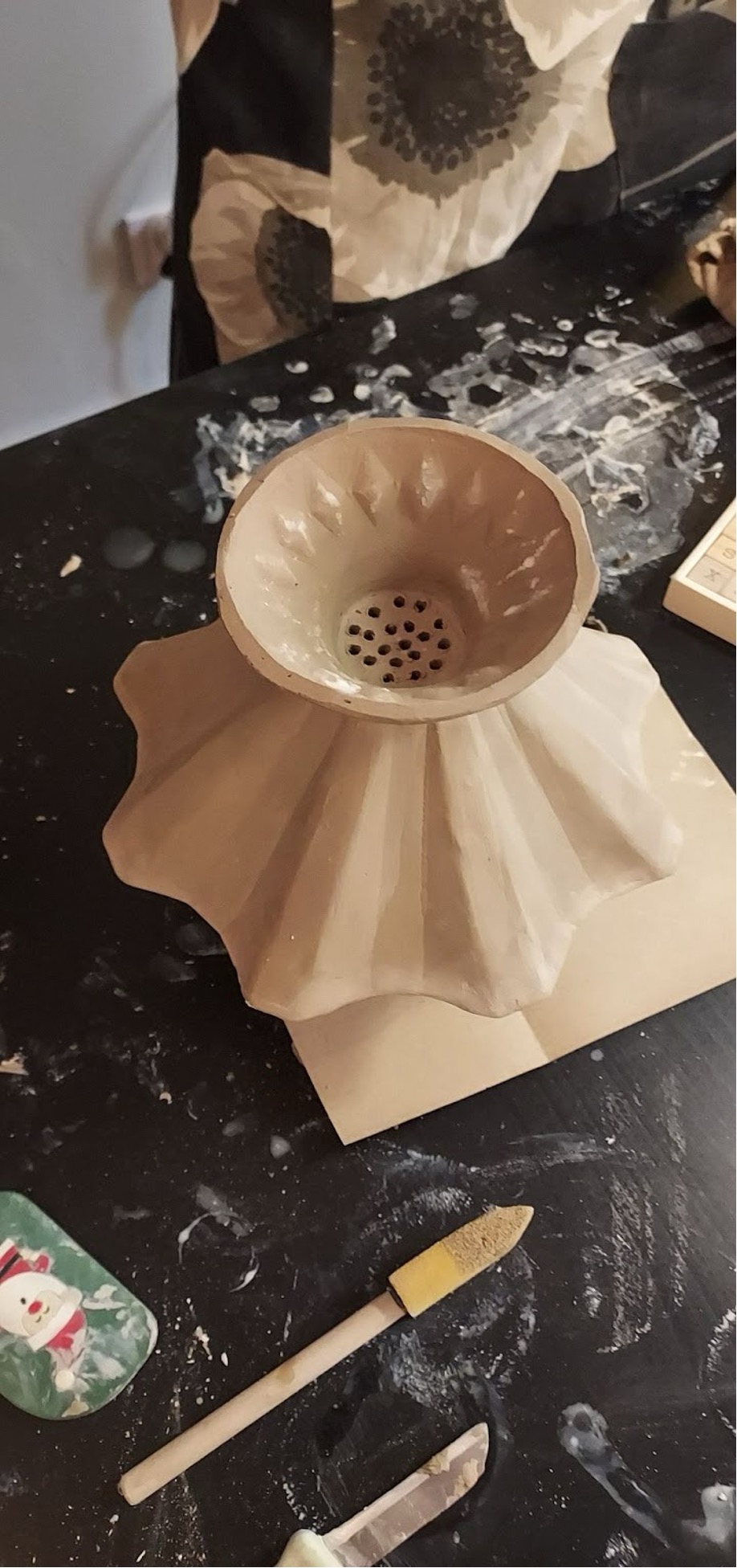
Rain Flowers are built on the traditional principle of porous clay irrigation vessels, but introduce a crucial innovation – a glazed, flower-shaped funnel that captures rainfall directly, channelling it into the buried ceramic reservoir. A set of ceramic “leaves” extends the catchment area and guides additional droplets toward the funnel, increasing the effectiveness of water collection during intense or short rain events.
The unglazed lower part of the vessel slowly releases this stored water into the surrounding soil, stabilizing moisture levels and supporting plant health during dry periods. Because the components are modular and scalable, Rain Flowers can be adapted to balconies, planters, gardens, and larger green areas. This makes them a small-scale, community-friendly solution that enhances micro-retention and strengthens urban resilience to irregular rainfall. It is produced with communities during the workshops.
Rain Flowers are micro-scale solutions designed to support urban water management, particularly in the face of increasingly intense rainfall and prolonged droughts. Their main function is to capture and retain rainwater during heavy downpours, then gradually release it into the soil to ease plant drought stress and support vegetation without the need for external energy sources.
The project aims to reduce water consumption, improve soil moisture, and increase the resilience of urban greenery from parks to community gardens. By combining function with form, Rain Flowers also serve as aesthetic, all-year-round landscape elements. Their ceramic, land-art-like form can be customized through different types of funnels, allowing each installation to become a personalised “ceramic garden” and even evolve as a community-based art project. Beyond technical use, Rain Flowers demonstrate low-tech, sustainable solutions rooted in ecological and cultural awareness, with potential for strong community involvement in both their creation and upkeep.
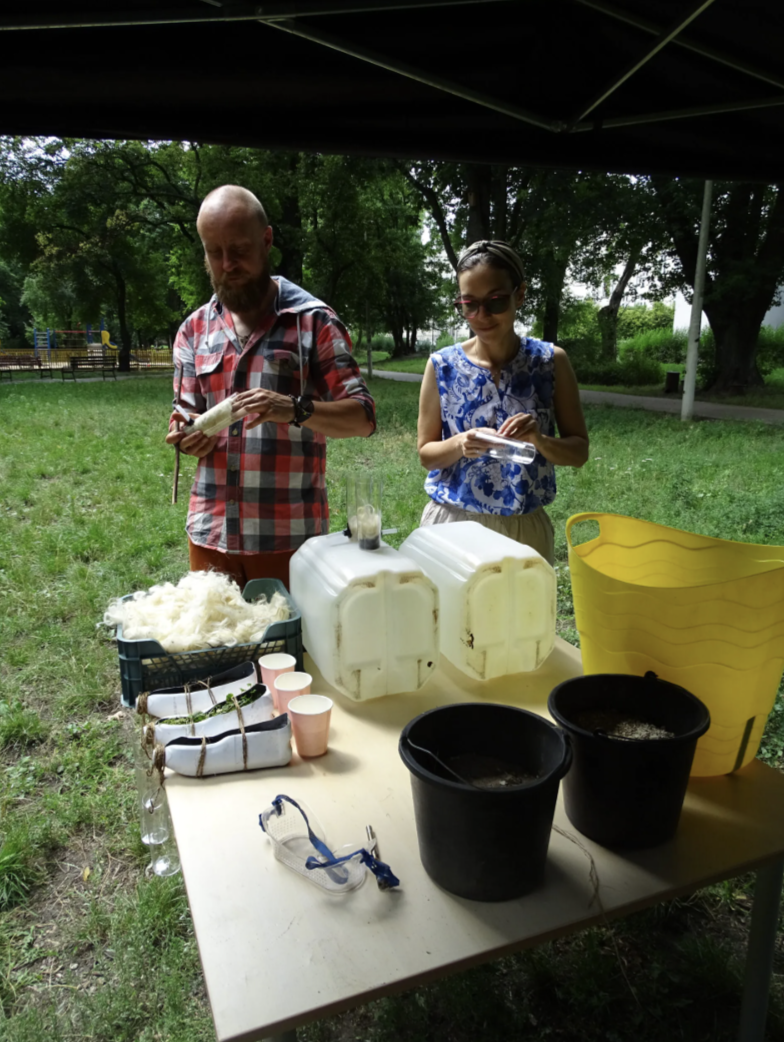
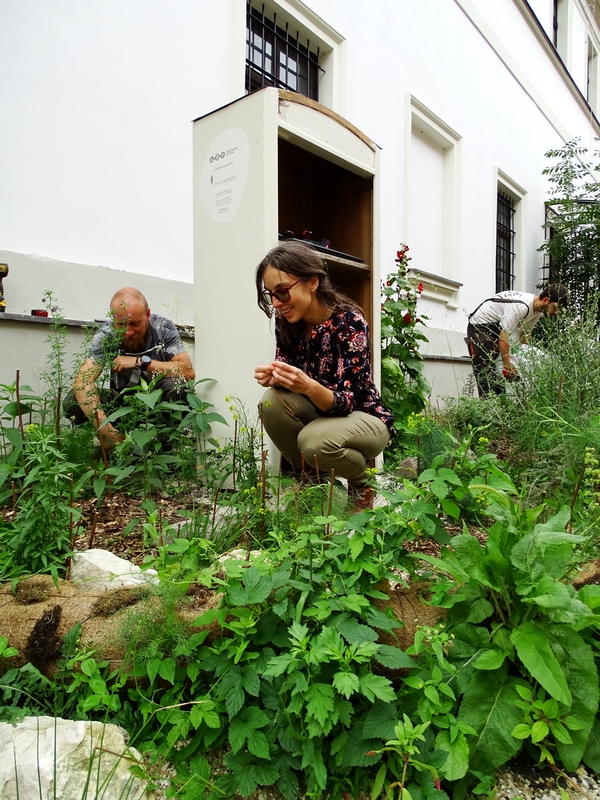
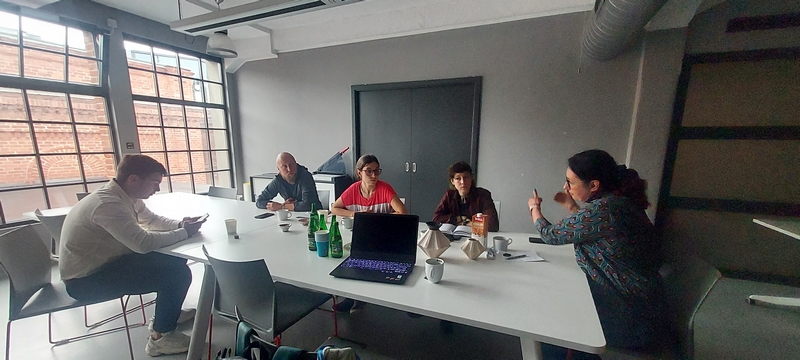
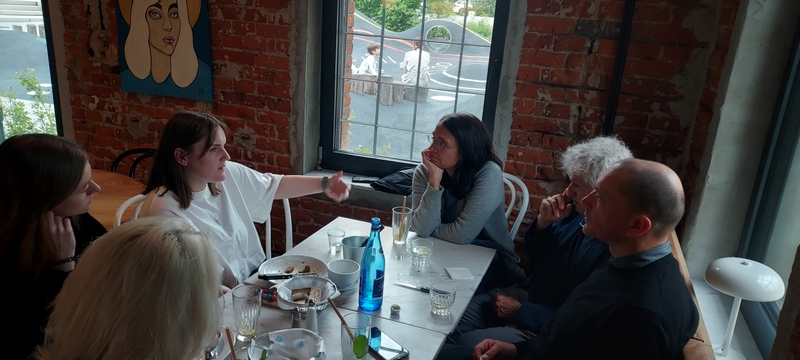
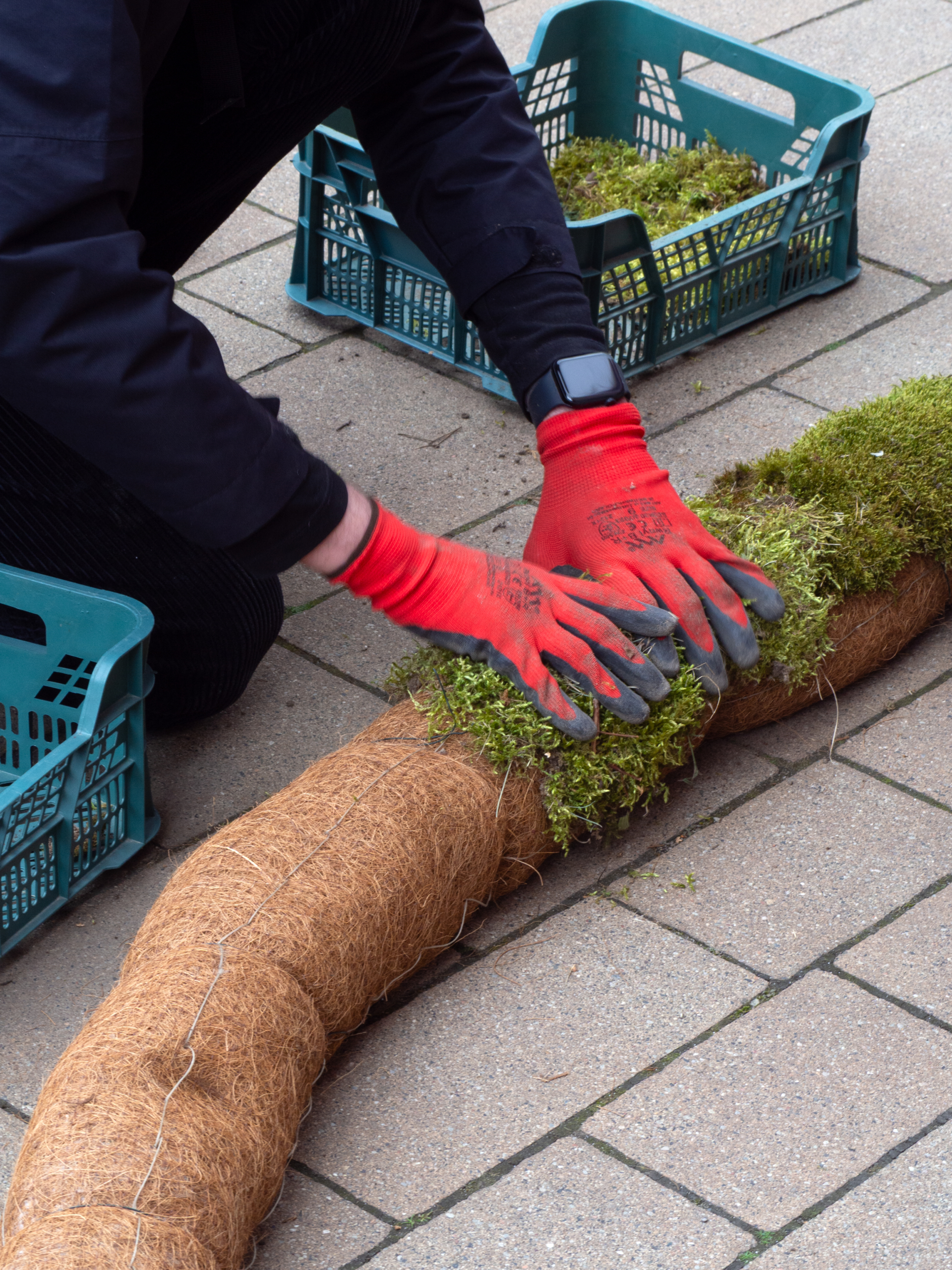
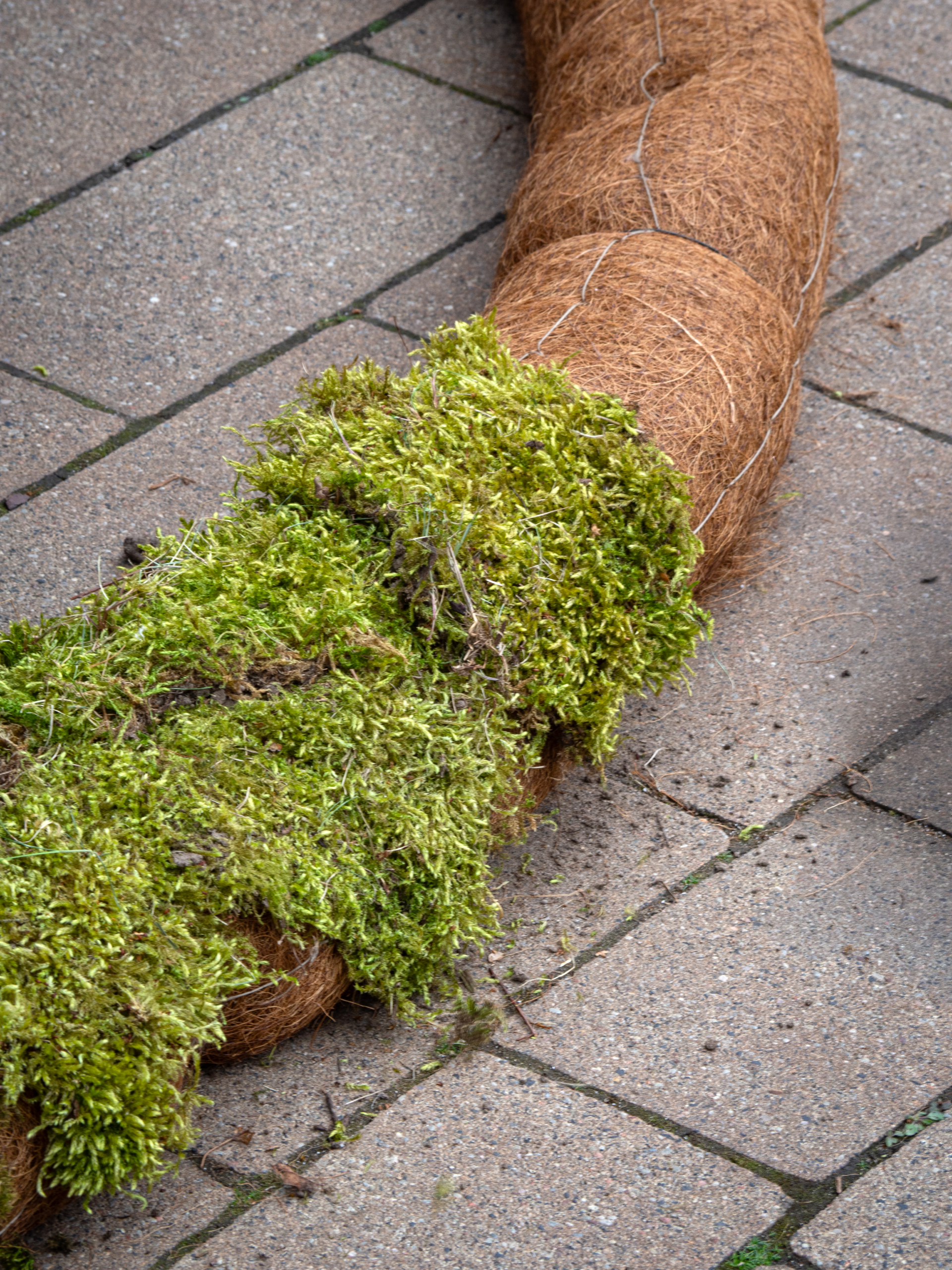
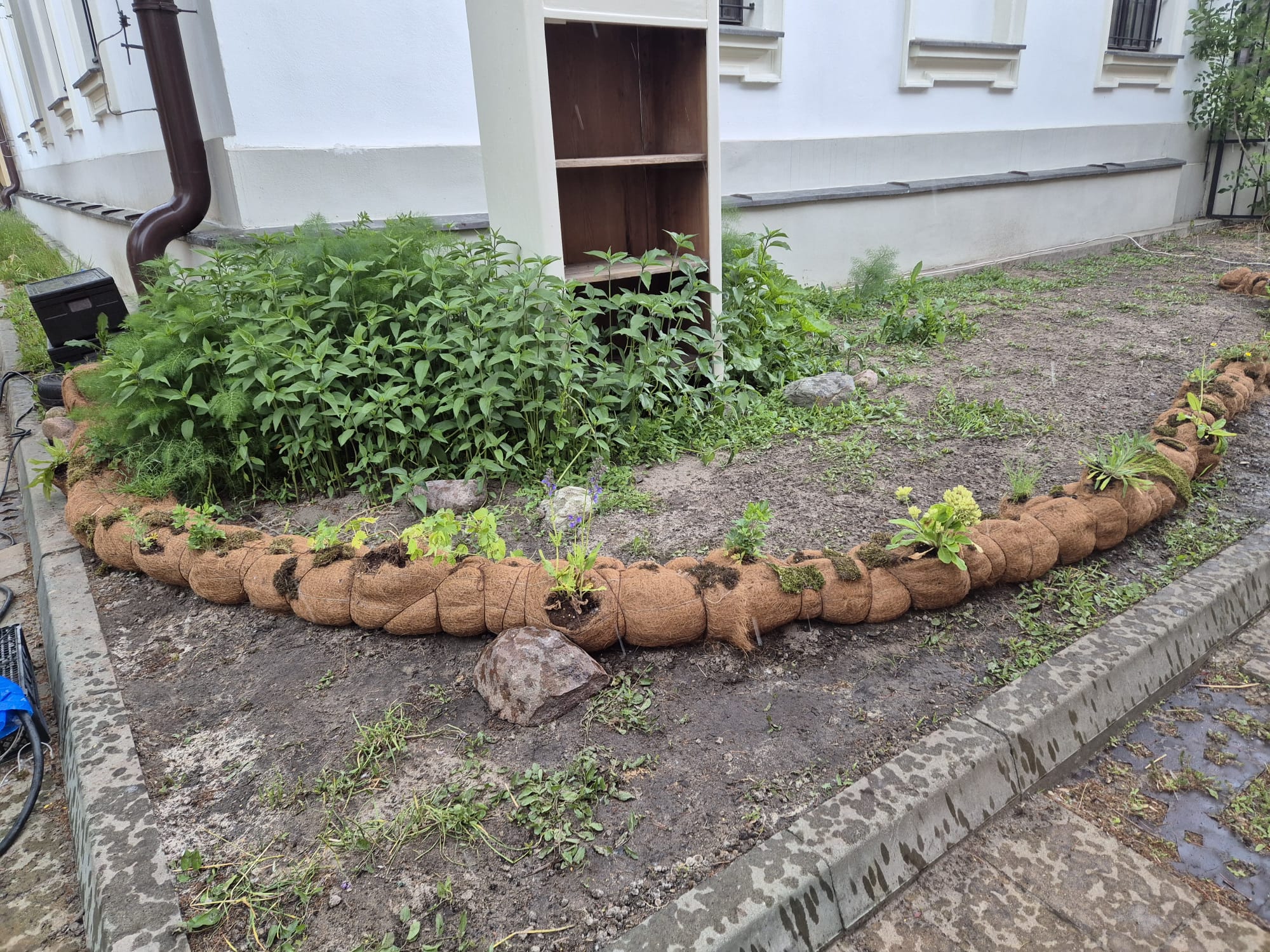
Łódź Meanders are low-tech, nature-based structures developed in cooperation with the Łódź community and Dreer Garden. naturally to improve local water circulation and resilience to urban drought and flooding. Co-designed during participatory workshops, they were produced using natural materials like mulch, wood chips, wool, coconut fiber, and soil. The modular forms are easy to build by hand and adapt to different terrains without heavy equipment.
Three main types were developed:
- Redirection Meanders – guide excess water from hard surfaces into green areas;
- Retention Meanders – absorb and hold stormwater, especially from downspouts;
- Protective Meanders – buffer soil and plants from erosion and salt pollution near pavements.
Beyond their hydrological function, their curved shapes can rhythmically structure urban green spaces and serve as vegetated, aesthetic features. All variants were prototyped and tested by Biology Faculty of the University of Łódź and ERCE. Research shows particularly strong results for the redirecting and protective Meanders, which demonstrate high filtration capacity and water retention performance.
Łódź Meanders are small-scale, nature-based solutions developed to manage rainwater in urban areas that experience both heavy rainfall and extended dry periods. They respond to local climate challenges such as pooling water, rapid soil drying, erosion, and salt-related damage along streets and pavements.
Their meandering shape mimics natural water flow, making them adaptable to uneven terrain. This modularity allows them to be placed in gardens, parks, yards, and other green spaces without major infrastructure changes.
Beyond functionality, Meanders also help organise and rhythmise public space, offering ecological value alongside visual appeal. The process is deeply community-focused, encouraging residents to understand and directly influence the way water moves through their environment.
Both water devices—the Rainflowers and the Łódź Meanders—will form part of a two-volume Toolkit publication curated by the Łódź Design Festival in collaboration with Deer Garden and Magda Stęcka. Each volume documents a distinct co-designed solution developed during the PALIMPSEST pilot in Łódź, addressing water management through low-tech, community-driven strategies.
- Volume 1 – Łódź Meanders: focuses on modular, biodegradable structures for redirecting and retaining water using natural materials.
- Volume 2 – Rain Flowers: presents a system of ceramic olla-inspired vessels adapted for urban use, enabling micro-scale rainwater harvesting and slow-release irrigation.
Both volumes are rooted in participatory processes involving residents, designers, and environmental experts. They were prototyped in public green spaces, tested in real-life conditions, and scientifically assessed by the University of Łódź and ERCE PAN.
The Toolkit is intended to empower citizens, educators, grassroots organisations, and municipalities to address urban water challenges with nature-based, small-scale solutions.
Instead of relying on large infrastructural investments, it provides practical guidance for acting locally – in courtyards, sidewalks, parks, or balconies – wherever excessive water runoff, soil dryness, or degraded greenery pose challenges. The goal is to support:
- local water retention
- soil protection and rehydration
- plant resilience during droughts
- community engagement and environmental awareness
- enhancement of public space aesthetics and biodiversity
Designed for replication and adaptation, both volumes are freely available as open-source resources to be used during workshops, public lectures, or downloaded for independent use.
THE ECOSYSTEM